Song Meaning
The lyrics paint a stark contrast between the relentless march of time and the fleeting nature of life. The narrator hears the "clock beat" and their own "heart beat" as markers of time slipping away, directly juxtaposed with the carefree "birds' laughter" that seems to embody living in the moment. This creates an immediate tension between awareness of mortality and a desire for present joy.
This tension escalates into a profound existential fear. The narrator questions those who have "passed on yesterday," wondering if they found "meet with justice." This shift from observing the present to confronting the unknown of the afterlife introduces a layer of dread. The repetition of "these are the things that we fear" underscores how the passage of time and the uncertainty of what comes next weigh heavily on the narrator.
The most striking craft element is the deliberate repetition of the phrase "And to us they are real / And for us they're ideal." This refrain, applied first to the observed realities of time and nature, and then to the fears of judgment and death, creates a disquieting ambiguity. It suggests that our perception of reality, whether it's the ticking clock or the fear of divine reckoning, is shaped by our subjective experience and desires, making these abstract concepts feel concrete and even desirable in their certainty.
Ultimately, the lyrics resonate because they tap into a universal human experience: the struggle to reconcile our awareness of finite time with the desire for meaning and peace. The insistent, almost desperate repetition of "Without a doubt they're real!" at the end feels like an attempt to anchor oneself in any form of certainty, even if that certainty is rooted in fear or the simple, undeniable passage of moments.
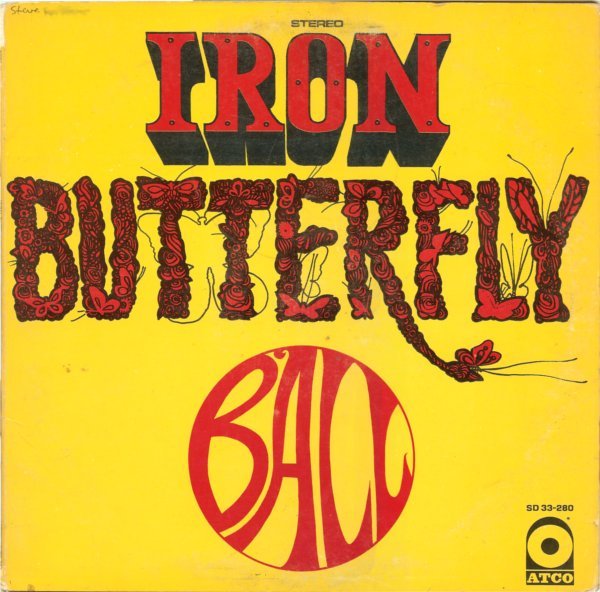
 View Artist