Song Meaning
The lyrics paint a stark picture of someone feeling utterly depleted, stuck in a loop they can't break. The narrator describes a gradual hollowing out, a loss of grip on reality and self. They're playing with wrong thoughts, unsure of their own feelings or who's in control, suggesting a profound internal disconnect. This isn't just a bad day; it's a slow erosion of their being.
The central tension lies in the narrator's inability to give anymore, despite an apparent plea for belief from another. The line "Kaiken jälkeen mulla ei oo enää annettavaa" (After everything, I have nothing left to give) hits hard, revealing a complete emotional bankruptcy. This is juxtaposed with the repeated demand, "Sun täytyy uskoo vaikket tahtoisikaan" (You have to believe even if you don't want to), creating a desperate, almost coercive dynamic where the narrator needs belief but can't offer anything in return.
The most striking craft element is the metaphor of a "käsikirjoitin helpompaa" (wrote an easier script) and the unfolding "show" that doesn't end as planned. This suggests a deliberate attempt to simplify life or escape pressure by scripting a more manageable reality, but the performance is failing. The repetition of "Tää show ei pääty niinkuin suunnittelin" (This show won't end as I planned) underscores the loss of control and the tragic deviation from an intended outcome, highlighting a sense of failure and unexpected consequences.
This writing is effective because it captures a feeling of overwhelming exhaustion and the painful realization of one's own limitations. The imagery of being hollowed out and the inability to offer anything resonates with a deep sense of personal collapse. The contrast between the need for belief and the lack of anything to give, coupled with the failed script, creates a powerful, almost suffocating emotional weight that feels both specific and universally understood in its depiction of despair.
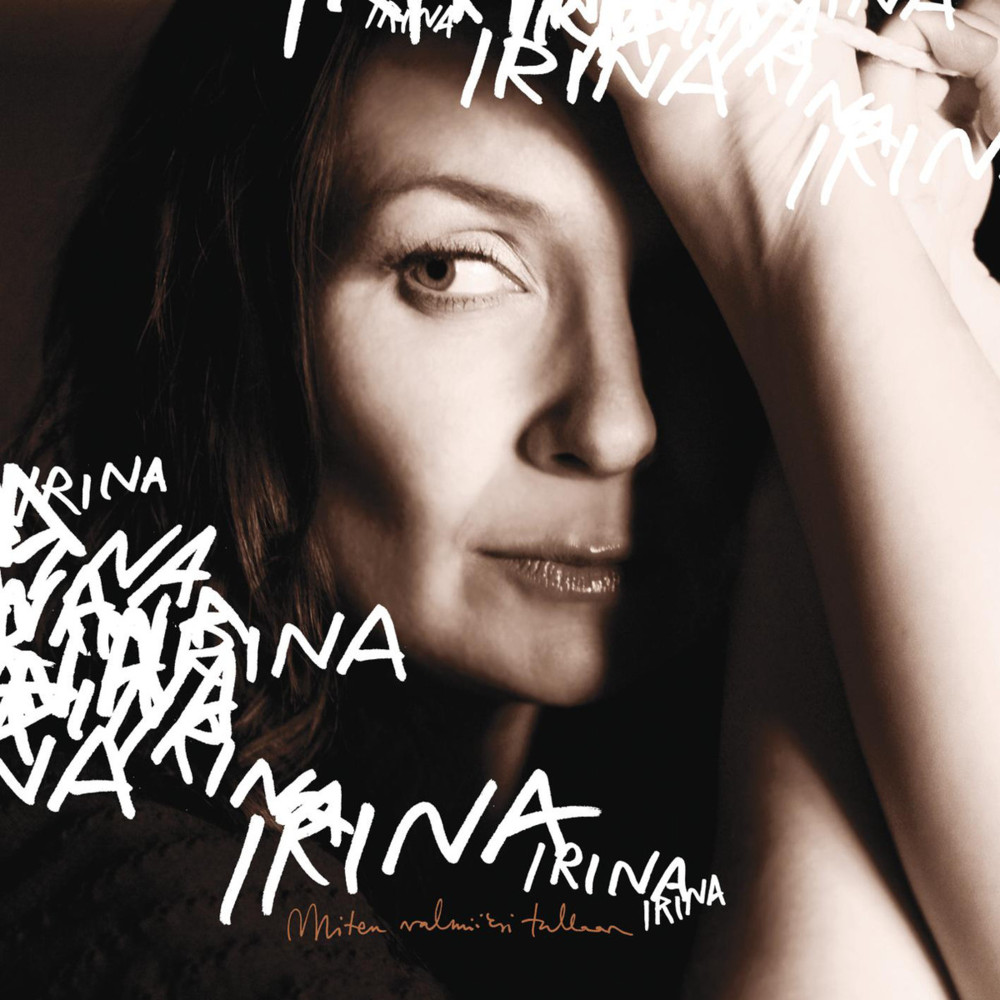
 View Artist