Song Meaning
The lyrics paint a picture of someone feeling profoundly alone, even when in the presence of another. The narrator identifies as "una bimba sola" (a lonely child), a state that persists "anche se sto con te" (even if I'm with you). This persistent solitude creates a palpable fear, as "questo amore mi fa mi fa paura" (this love scares me). The desire for a "ninna nanna" (lullaby) and "quella carezza della mamma" (that mother's caress) emerges as a desperate yearning for comfort and security, a primal need unmet.
The central tension lies in the narrator's simultaneous need for connection and her growing realization that the current relationship is insufficient. While she initially asks for a "girotondo su te" (a ring-around-the-rosy on you), suggesting a desire for playful intimacy, this is quickly overshadowed by the declaration "non mi basti più" (you're not enough for me anymore). The stark contrast between the innocent plea for a lullaby and the mature, albeit painful, admission of dissatisfaction highlights a deep emotional disconnect.
The most striking craft element is the recurring "ninna nanna" motif, which transforms from a simple request into a complex symbol of lost innocence and a longing for maternal solace. The repetition of "l'ultima ninna nanna" (the last lullaby) suggests a finality, a closing chapter on a need that can no longer be fulfilled by the current situation. The shift to "come cantava la mia mamma" (like my mom used to sing) grounds this longing in a specific, perhaps idealized, past, emphasizing the absence of that nurturing presence in the present.
This song's emotional resonance stems from its raw portrayal of vulnerability and disillusionment. The narrator's childlike language juxtaposed with her adult feelings of fear and dissatisfaction creates a poignant effect. The lyrics capture that difficult moment when the comfort of the familiar is no longer enough, and the search for something more, even if it means embracing loneliness, begins. The ending, with the narrator turning to the TV, signifies a retreat into distraction rather than genuine connection, underscoring the depth of her isolation.
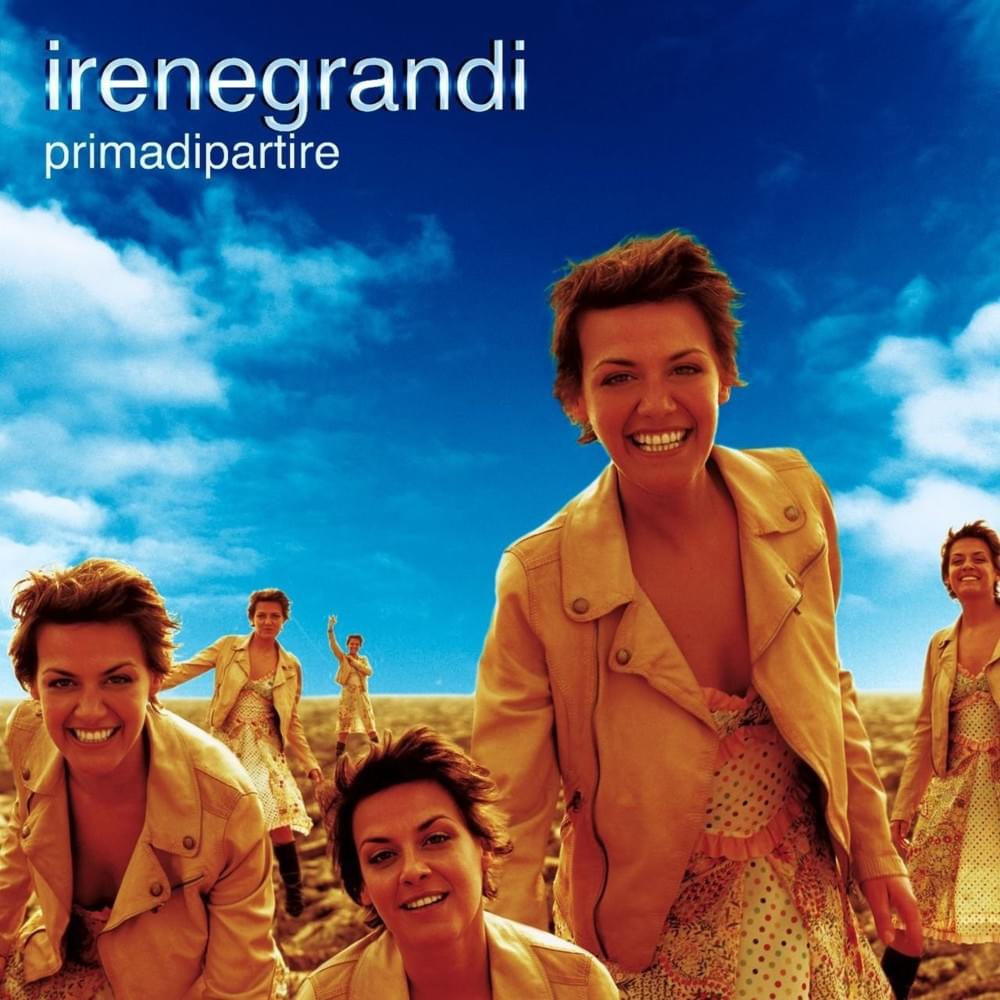
 View Artist