Song Meaning
The lyrics paint a stark picture of isolation and a yearning for connection, set against a desolate midnight scene. The narrator feels alone, noting the emptiness and the cold, with only the moon and a watchful darkness for company. This profound solitude is amplified by the central, almost paradoxical, declaration: "Il tuo cuore è il mio letto" (Your heart is my bed). It’s a striking image that suggests an intense, perhaps unfulfilled, intimacy, where the presence of another’s heart is the only comfort in a deserted world.
The core tension lies in the narrator's conflicting desires and observations. While the setting is empty and silent, with everyone else asleep, the narrator is awake and acutely aware of the surroundings. The repeated phrase "Vai vai dove vuoi" (Go, go where you want) initially sounds like an invitation or a release, but it’s juxtaposed with the narrator’s own confinement and the unsettling imagery of "segni di una prigione" (signs of a prison) on someone's face, and later, "sogni di una a te uguale" (dreams of one like you). This suggests a complex dynamic where freedom for one might be tied to the narrator's own emotional captivity.
The most compelling craft element is the persistent, almost hypnotic repetition of "Vai vai dove vuoi," which transforms from a simple statement into an anthem of resignation or perhaps a desperate plea. This is powerfully contrasted with the intimate, yet detached, image of the heart as a bed. The lyrics also play with perception, as a passerby on a bicycle "seems to resemble you" in the dark, blurring the lines between reality and the narrator's obsessive thoughts. The shift from "segni di una prigione" to "sogni di una a te uguale" subtly alters the nature of this confinement, hinting at a shared, perhaps inherited, state of being.
Ultimately, the effectiveness of these lyrics stems from their raw portrayal of loneliness and the desperate search for solace. The narrator’s internal world, filled with a longing for a presence that is both desired and perhaps unattainable, is laid bare. The specific, evocative imagery – the moon on the roof, the silent night, the bicycle rider, and the heart as a bed – grounds the emotional experience, making the narrator’s isolation palpable and the desire for connection a deeply felt ache.
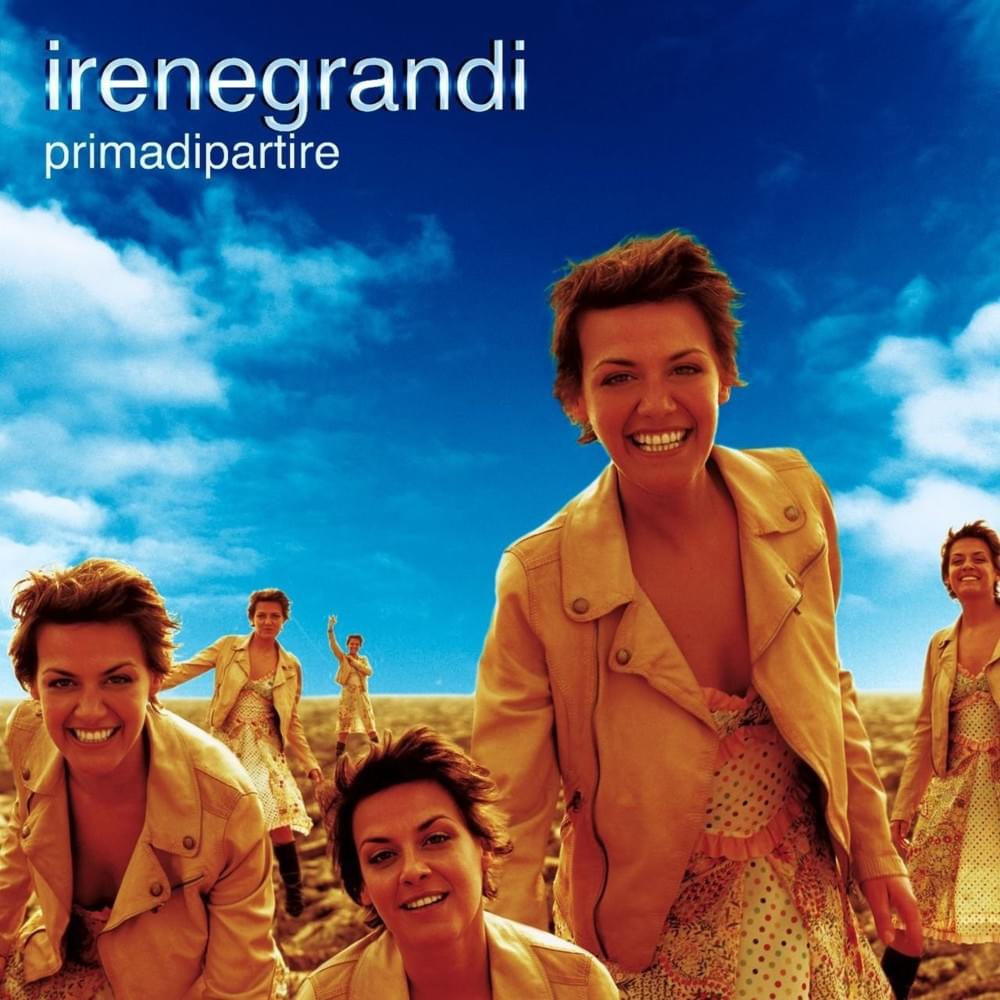
 View Artist