Song Meaning
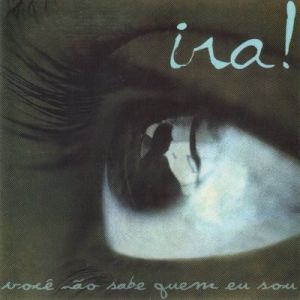
The lyrics paint a stark portrait of profound self-uncertainty and a desperate plea for understanding. The repeated phrase "Você não sabe quem eu sou" (You don't know who I am) is hammered home, establishing a chasm between the speaker and their beloved. This isn't just about being misunderstood; it's about a fundamental lack of self-knowledge, as the narrator admits, "Nem mesmo eu sei quem sou" (Not even I know who I am). This internal confusion is laid bare, creating an immediate sense of vulnerability.
The central tension arises from this internal void projected outward. The speaker grapples with their own morality and identity, questioning "Não sei se sou um homem bom ou ruim" (I don't know if I'm a good or bad man). This existential doubt extends to their direction and purpose, with "Nem mesmo eu sei aonde estou" (Not even I know where I am) mirroring the earlier confusion about their identity. The desire to change and improve, however, is explicitly linked to the beloved: "Prá você, só prá você, meu amor" (For you, only for you, my love), highlighting a dependency on external validation for internal growth.
The most striking aspect of the craft is the relentless repetition, not just of the core phrase but of the structure of doubt. Each stanza builds on the previous one, reinforcing the speaker's disorientation. The shift comes with the realization that "recomeçar é aprender" (to start over is to learn), a hard-won insight offered as a potential bridge. This phrase, repeated with increasing insistence, suggests a glimmer of hope and a path forward, even if the speaker still struggles to articulate what they can offer or who they will become.
Ultimately, the raw honesty of this confession is what makes these lyrics resonate. The admission of not knowing oneself is a deeply human experience, amplified by the context of a relationship. The lyrics don't offer easy answers but instead present a raw, unvarnished look at someone trying to navigate their own internal landscape while simultaneously seeking connection and acceptance. The repeated mantra of learning through recognition offers a fragile but potent message of hope.
 View Artist