Song Meaning
The lyrics paint a picture of a chaotic, almost desperate situation, opening with a stark declaration: "É o princípio do fim." This sets a tone of impending doom, amplified by the image of "Três gorilas atrás de mim," suggesting a pursuit or threat. The narrator immediately distances themselves from criminality, stating "Eu não sou nenhum ladrão," yet finds themselves caught in the "arrastão" – a collective sweep or dragnet, implying a situation where individuals are swept up regardless of their personal guilt.
The core tension arises from the narrator's self-perception versus their circumstances. They claim to be a "simples cidadão" who simply "quis uma televisão," framing their desire as a basic aspiration that has become a "tentação." This simple want, however, is twisted into a "foco de rebelião," highlighting how societal conditions can turn ordinary citizens into perceived threats. The repetition of "rebelião e solidão" underscores a feeling of isolation amidst this perceived uprising, suggesting a disconnect between the individual and the collective action they are part of.
The most striking element is the invocation of the proverb "Do ladrão que rouba ladrão." This phrase, coupled with the idea of a nation that "dá cem anos de perdão," introduces a complex moral ambiguity. It suggests a system where the lines between victim and perpetrator are blurred, and perhaps where the powerful are preyed upon by those who are themselves victims. The repeated "No arrastão" reinforces the feeling of being caught in a powerful, uncontrollable force, a collective movement driven by desperation and a twisted sense of justice.
Ultimately, the lyrics resonate because they capture a feeling of being overwhelmed by forces beyond one's control, where personal innocence is irrelevant. The contrast between the desire for simple things and the label of "rebelião" creates a potent emotional charge. The song suggests that in times of extreme societal pressure, the "arrastão" becomes a space where individual identity dissolves into a collective struggle, governed by a cynical, yet perhaps necessary, moral code.
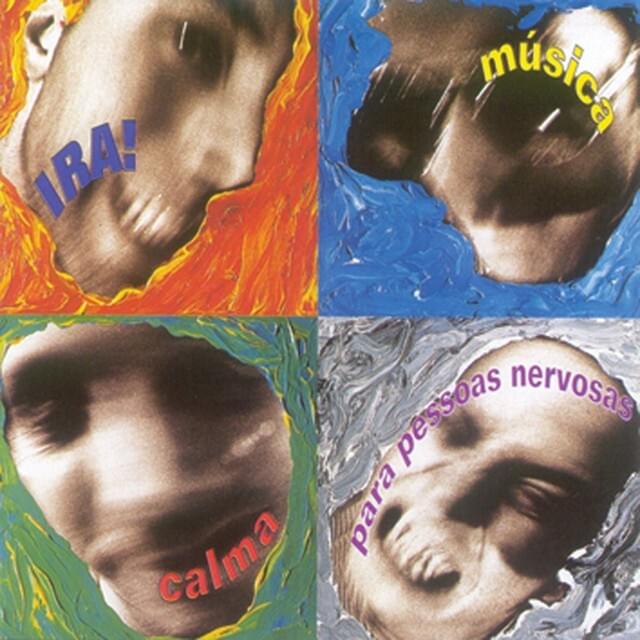
 View Artist