Song Meaning
The lyrics paint a picture of stepping out into the unknown, driven by a desire for something more than the current reality. There's a sense of immediate action, a call to "take one step / Out the door" and to "look around / For a whole lot more." This initial push suggests a dissatisfaction with the status quo and an eagerness to embrace new experiences, even if the exact nature of those experiences remains undefined. The recurring phrase "That's what we do" grounds this impulse in a fundamental human drive.
The core tension seems to lie between a yearning for freedom and the constraints of a confined existence. The narrator expresses a desire for "freedom / Day and night / No one to tell me / What to do," starkly contrasting with the image of being "Like animals / Locked in the zoo." This juxtaposition highlights a struggle against external control and an internal longing for autonomy, even as the "wild life" itself is characterized by a peculiar resilience: "When it's bad, it ain't bad enough."
The repeated refrain of "Wild life" acts as both an invocation and a descriptor, suggesting a state of being that is untamed and perhaps chaotic, yet strangely enduring. The lyrics also touch upon the ephemeral nature of motivation, noting "Motivation / It comes and goes," but emphasize the persistence of unanswered "questions." This suggests that the pursuit of this "wild life" is less about a destination and more about an ongoing process of seeking and questioning.
Ultimately, the effectiveness of these lyrics stems from their blend of urgent calls to action and introspective reflections on freedom and constraint. The simple, direct language, combined with evocative imagery like a distant fires and caged animals, creates a relatable sense of striving. The assertion that even negative experiences in this "wild life" are not quite bad enough implies a deep-seated belief in its inherent value, making the pursuit of this undefined, yet compelling, existence feel both aspirational and justified.
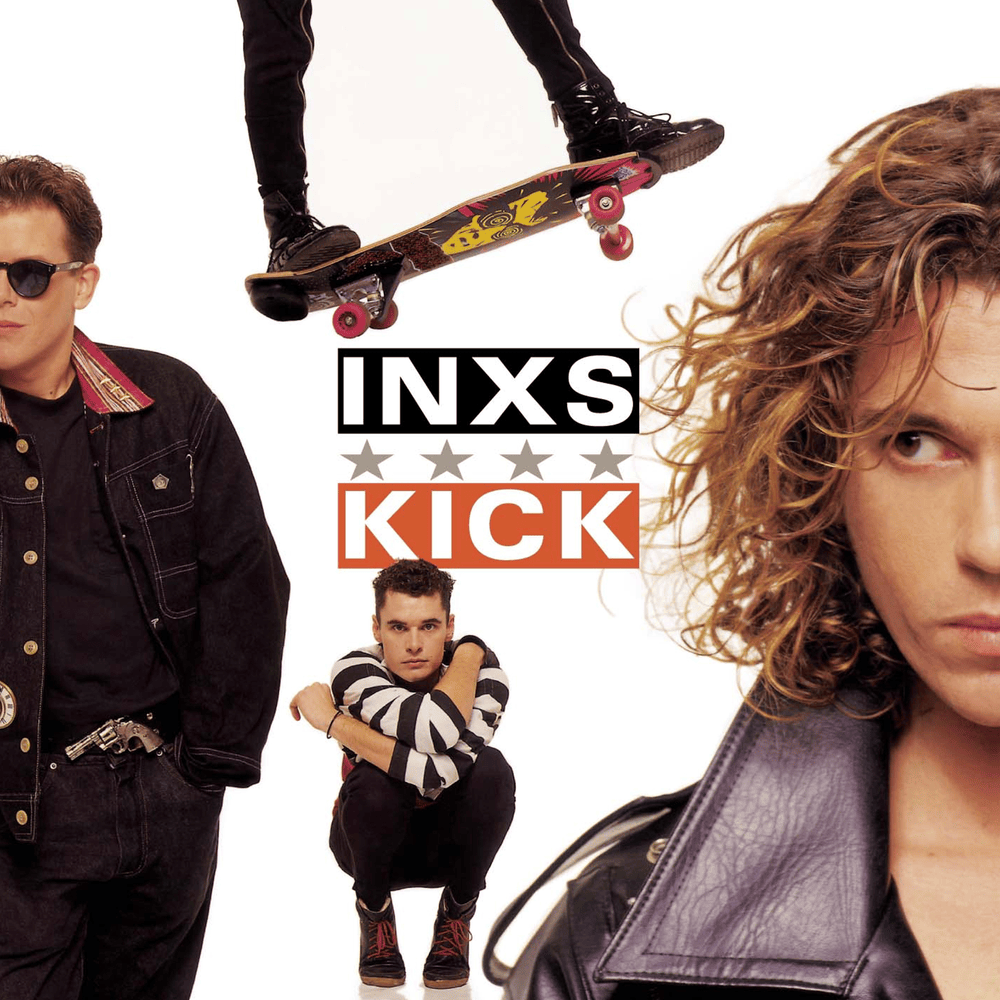
 View Artist