Song Meaning
The lyrics of "Vete Ya" immediately thrust the listener into a scene of bitter regret and a forceful dismissal. The speaker acknowledges being the "mejor postor" for a "falso amor," a past mistake that still stings. There's a clear, repeated command for the other person to leave, signaling a definitive end.
The central emotional tension here isn't just heartbreak, but a profound sense of self-blame. The speaker clarifies that their tears were "por causa de mi error" – a crucial distinction that shifts the focus from the other person's deceit to their own misjudgment. This admission suggests the pain is less about a lost connection and more about the speaker's personal failing.
Perhaps the most striking craft element is the defiant contrast embedded in the line, "Aprendí a llorar / Pero no a rogar." This encapsulates a powerful shift from vulnerability to pride. Despite the tears, the speaker refuses to beg, asserting a boundary and reclaiming agency. The insistent, repeated command, "Vete ya," reinforces this unyielding stance, making it clear there's no turning back.
The emotional impact of these lyrics comes from this raw honesty and self-accountability. The repeated admission, "Me equivoqué contigo," isn't a plea for forgiveness but a firm declaration of a lesson learned. It transforms a moment of pain into a powerful act of self-liberation, making the farewell feel less like a loss and more like a necessary, albeit painful, step forward.
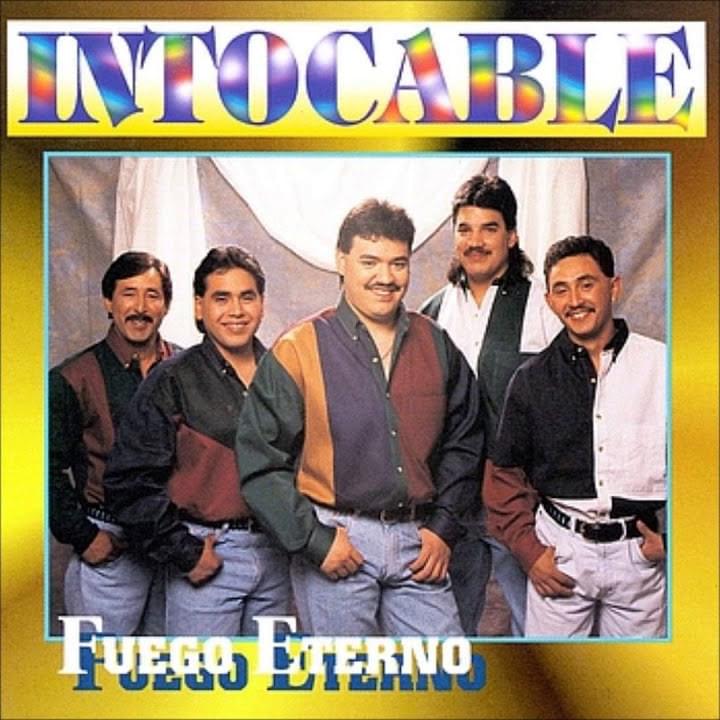
 View Artist