Song Meaning
This song is a raw, late-arriving apology, a desperate plea for a second chance after realizing the profound loss of a love that was taken for granted. The narrator admits fault upfront, lamenting a failure to appreciate and demonstrate their affection when the person was present. The core sentiment is regret over a perceived permanence of the relationship, leading to a lack of effort in showing true devotion, both externally and internally. This initial confession sets a somber, self-reproaching tone.
The central tension lies in the stark contrast between past neglect and present yearning. The narrator now understands the value of the "ternura y cariño" they once possessed but failed to nurture. The repeated phrase "Dejame amarte" (Let me love you) underscores this urgency, a direct counterpoint to the earlier "no supe valorarte" (I didn't know how to value you). The plea is not just for love, but for the chance to actively *show* that love, to finally give "todo cuanto tengo" (all that I have).
The most striking aspect of the writing is the directness of the self-accusation and the subsequent, almost feverish, promises of devotion. Phrases like "Perdona todas mis locuras" (Forgive all my madness) and the detailed intentions to "llenarte de mis besos" (fill you with my kisses) and "acariciar todo tu cuerpo" (caress your whole body) paint a vivid picture of a desire to overwhelm with affection, a stark reversal from the earlier inaction. The repeated desire to "tocar tu corazon" (touch your heart) and "entregarte lo que soy" (give you what I am) signifies a wish for a deep, soul-level connection that was previously absent.
Ultimately, the lyrics resonate because they capture that painful moment of clarity after loss, where the full weight of one's mistakes becomes undeniable. The raw admission of fault, coupled with the passionate, almost desperate, promises of future devotion, creates a powerful emotional arc. It’s the sound of someone finally understanding what they had, only when it’s slipping away, making the plea to "Dejame amarte" feel both heartbreaking and intensely human.
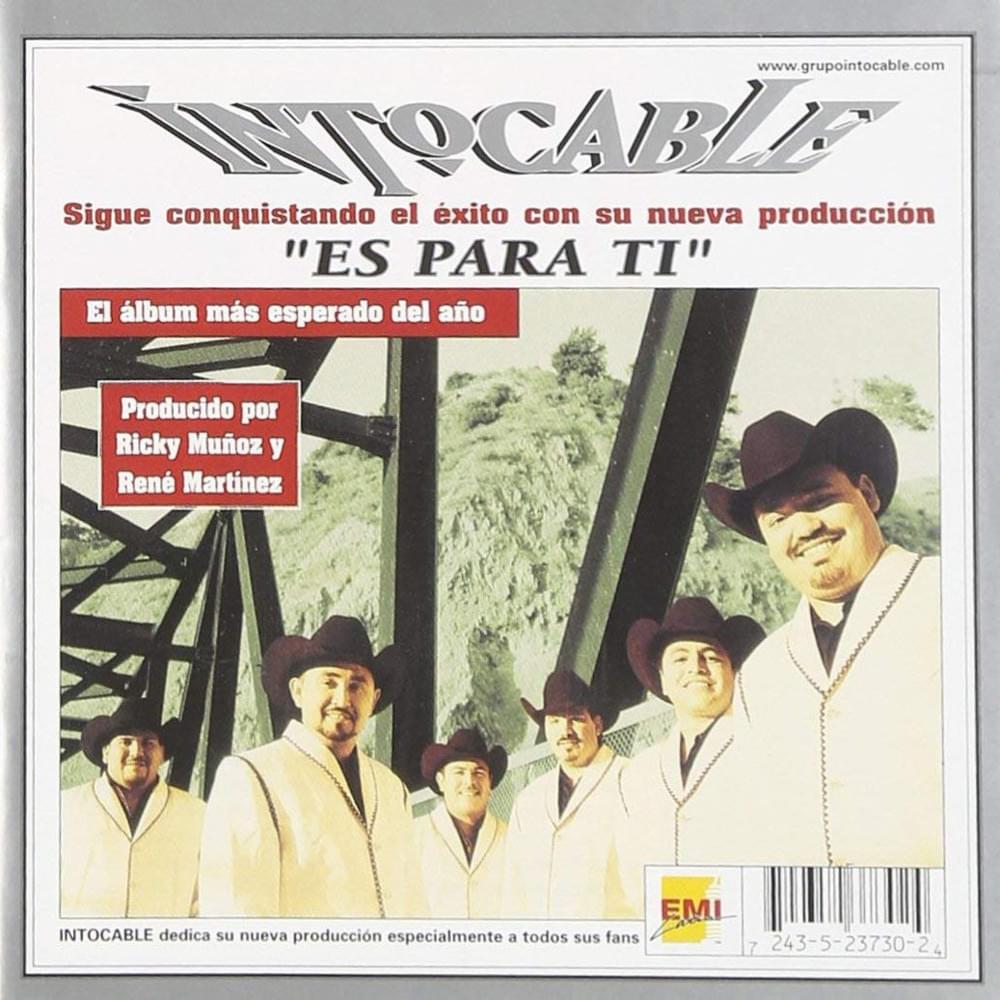
 View Artist