Song Meaning
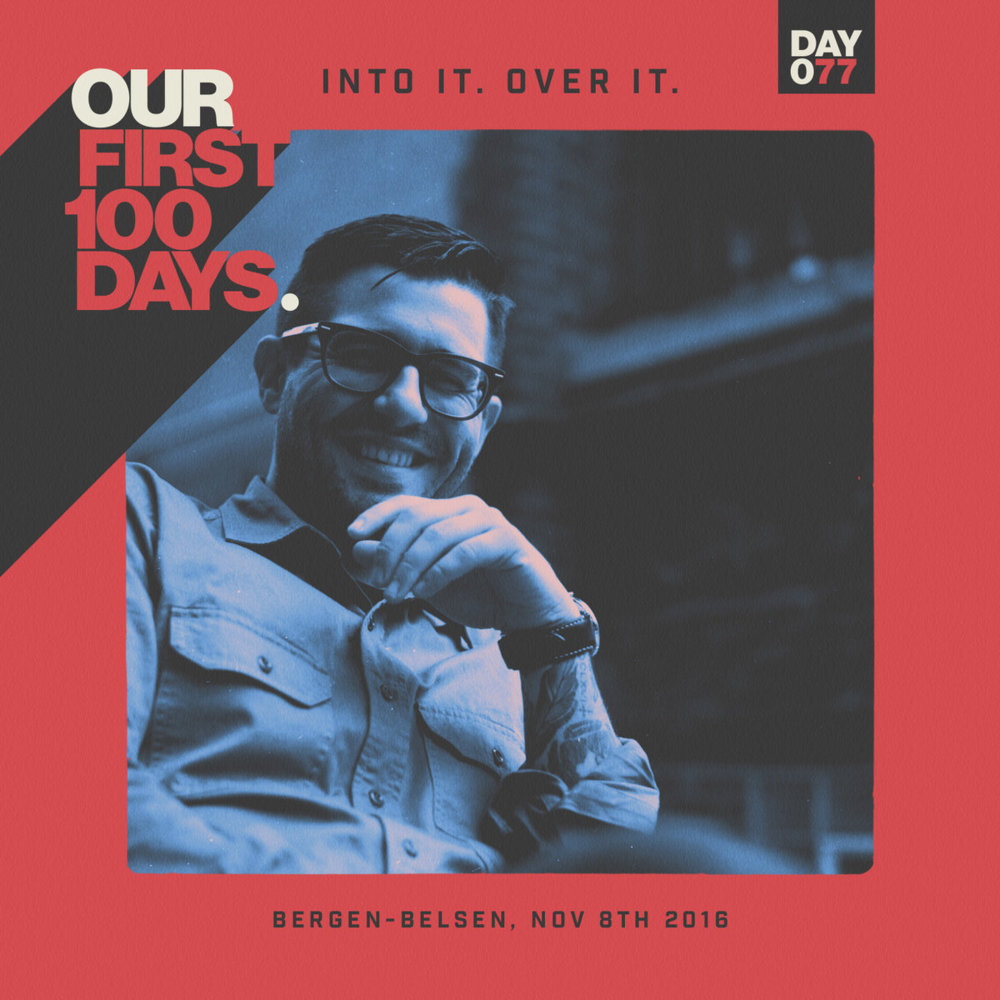
The lyrics paint a stark, somber picture of a deeply unsettling experience on November 8th, 2016, set against the backdrop of a concentration camp. The opening lines immediately establish a tone of oppressive weight, with "heavy snow in appropriate places" and "heavy mornings with even heavier nights." This isn't just about the weather; it's about a pervasive sense of dread and the grim reality of witnessing "six bodies before history's eyes." The repetition of "heavy" underscores the immense emotional burden being carried.
The central tension arises from the juxtaposition of personal grief and national crisis. The narrator speaks of "heavy hearts in inappropriate places," suggesting a profound disconnect between their internal state and the external environment, yet also a strange sense of fittingness in the "heaviest night" to witness "our country's sun implode overnight." This implies a national tragedy or disillusionment that mirrors the personal horror of the camp setting, creating a dual sense of devastation.
A key piece of craft is the deliberate subversion of expectation and the manipulation of perspective. The question from the man by the loading door, "Are you ashamed?" is met not with a direct answer, but with a defiant act: the narrator "hit the ground to find some focus in fury" and "skipped the darkness to watch the sunrise instead." This shift from passive observation to active, albeit internal, resistance highlights a struggle for agency amidst overwhelming despair. The repeated phrase "heavy hearts in all appropriate places" in the outro, a direct echo and inversion of the earlier lines, suggests a grim acceptance or perhaps a widespread, normalized grief.
What makes these lyrics so potent is their unflinching portrayal of profound sorrow and disillusionment, anchored by specific, evocative imagery. The contrast between the external "heavy snow" and the internal "heavy hearts," the starkness of witnessing death, and the defiant turn towards a "sunrise" all contribute to a powerful emotional resonance. The writing forces the listener to confront a bleakness that feels both personal and potentially national, leaving a lasting impression of profound weight and complex grief.
 View Artist