Song Meaning
The lyrics paint a stark picture of finality and internal torment. The repeated phrase "The story is over" immediately establishes a sense of absolute conclusion, amplified by the narrator's inability to escape these thoughts. This isn't just sadness; it's a visceral, "crippling" mental invasion, a self-inflicted wound that defines the core "incurable tragedy."
The central conflict is the narrator's awareness of their impending doom and the agonizing mental state it induces. The mention of "terminal cancer" grounds the tragedy in a physical reality, but the real suffering lies in the internal "infliction" and the "anguish" that "ripping me apart." There's a desperate yearning "to reconsider," a wish to undo the inevitable, highlighting the profound disconnect between the body's failing state and the mind's desperate struggle.
The most striking aspect is the raw, almost violent language used to describe mental anguish. "Crippling thoughts rape internally" is a brutal image, conveying a sense of violation and helplessness that transcends mere sadness. This internal "rape" is the source of the "incurable tragedy," suggesting a mental state so damaged it cannot be healed, even as the physical body succumbs. The repetition of "The story is over" reinforces this inescapable fate, making the internal struggle the true focus.
Ultimately, the effectiveness of these lyrics lies in their unflinching portrayal of despair. By focusing on the internal experience of a terminal diagnosis, the words bypass external narrative and hit directly at the psychological horror of knowing the end is near and being unable to escape the mental anguish. The stark, repetitive structure mirrors the cyclical, inescapable nature of the narrator's thoughts, creating a powerful and deeply unsettling emotional impact.
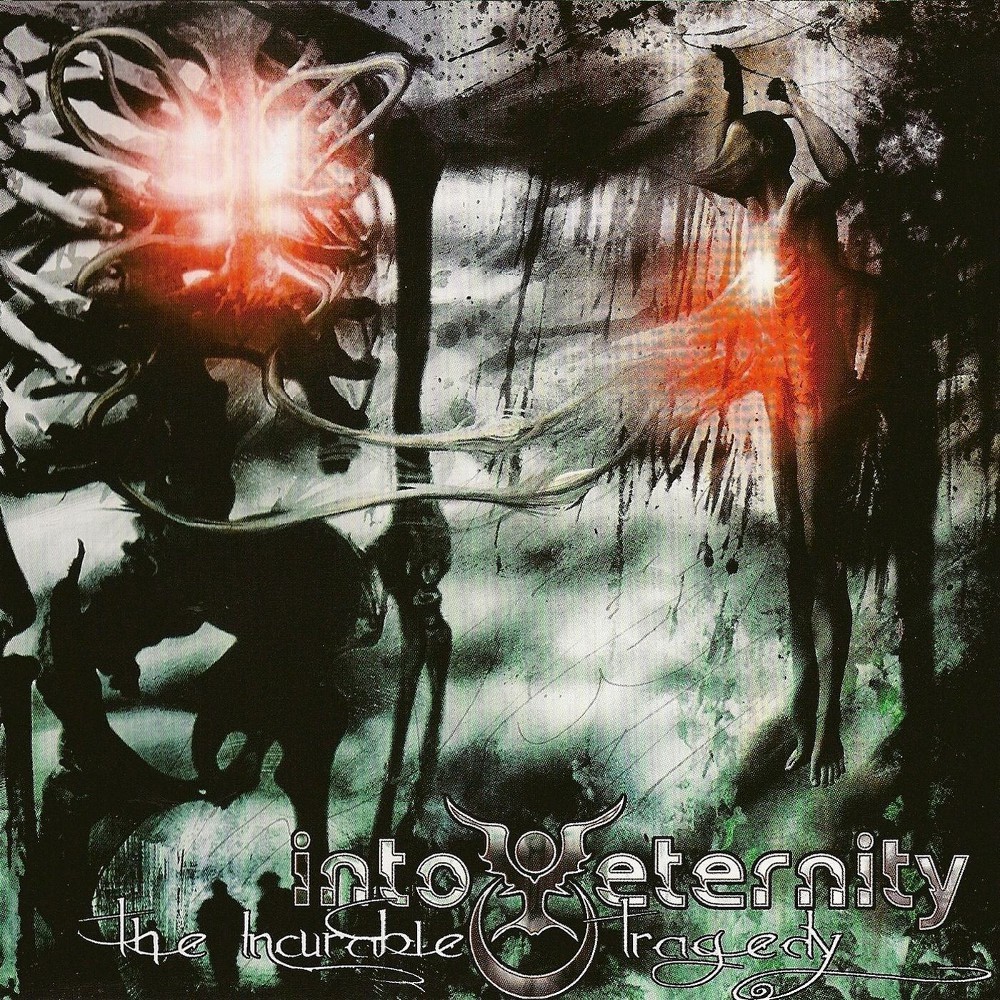
 View Artist