Song Meaning
These lyrics open with a deeply personal request: to be buried "como a mis antepasados." The speaker yearns for a traditional, ancestral resting place, a return to the earth that feels both ancient and intimate. It's a quiet, profound acceptance of mortality, framed not as an end, but as a continuation.
The desired resting place is strikingly specific: "En el vientre oscuro y fresco / De una vasija de barro." The imagery here is powerful, transforming a humble clay pot into a womb-like vessel. This suggests a return to a primal, nurturing embrace, making death feel less like a void and more like a peaceful, natural cycle.
But the poem doesn't stop at the physical. The second stanza shifts perspective, looking beyond the moment of death. The narrator appears to suggest that even "Cuando la vida se pierda / Tras una cortina de años," the essence of a life persists. The phrase "cortina de años" beautifully captures the gentle, inevitable fading of time.
What truly resonates is the closing thought: "Vivirán a flor de tiempo / Amores y desengaños." This isn't just about memory; it's about the enduring impact of human experience. The lyrics suggest that our loves and disappointments don't vanish but somehow remain visible, "on the surface of time," a testament to a life lived. It's a poignant, comforting vision of legacy, grounded in the earth yet reaching into eternity.
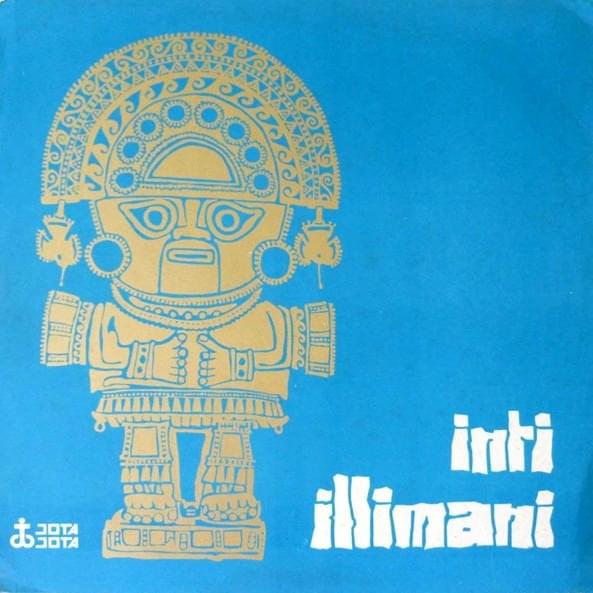
 View Artist