Song Meaning
The lyrics paint a picture of Simón Bolívar as a foundational figure, a "Caraqueño americano" whose voice, empowered by "el suelo venezolano," ignites a passionate, guiding force. This voice is described as "candela," a flame that not only signals a "rumbo cierto" but also illuminates a path through a land "cubierto / De muertos con dignidad." This imagery suggests a struggle where dignity persists even amidst profound loss and sacrifice, with Bolívar's legacy serving as a beacon.
The central tension appears to be the call for a resurgence, a need to revive Bolívar's spirit and purpose. Phrases like "Revivido en las memorias" and "Vamos de nuevo Simón" indicate a present-day yearning for the strength and conviction he represented. The narrator seems to be invoking Bolívar as a source of deep "razón del pueblo" – a profound popular wisdom – that is crucial before "todo se hunda," before everything collapses.
The recurring invocation of "Simón Bolívar, Simón" acts as a powerful chant, reinforcing his enduring presence and the urgency of his remembered ideals. The comparison to José Artigas, another figure with "razón," further contextualizes Bolívar not as an isolated hero, but as part of a lineage of leaders who possessed a clear vision and a just cause. This parallel emphasizes the shared spirit of liberation and conviction across different regions and times.
Ultimately, these lyrics resonate by tapping into a deep well of historical memory and national pride. The writing crafts an image of Bolívar as an eternal flame, a voice of reason and strength that transcends time, offering guidance and hope in moments of potential despair. The direct address and repeated calls for his revival create an emotional plea for the return of his foundational spirit.
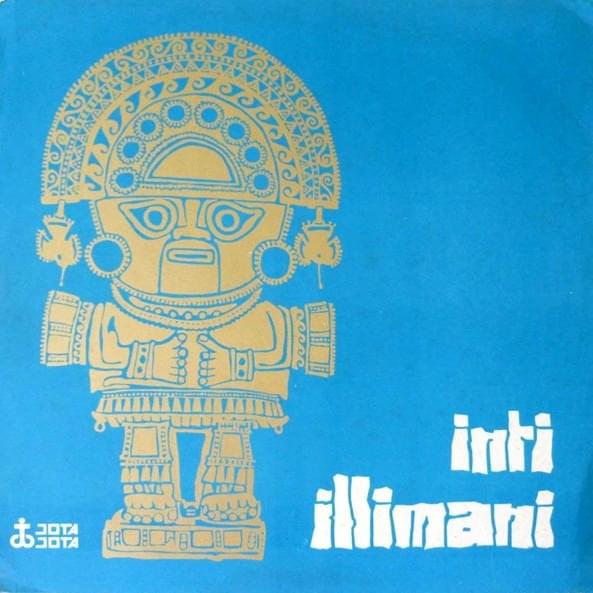
 View Artist