Song Meaning
The lyrics paint a picture of someone confronting internal turmoil from a place of perceived safety, only to realize a desire to engage with the chaos. The opening lines, "This place is set to break" and "It's just as safe from the outside tonight," establish a fragile environment and a detached perspective. Yet, the narrator immediately pivots, declaring, "I want that / I face the storms appetite / From the lighthouse." This suggests a deliberate choice to observe, and perhaps even welcome, the destructive forces, using the lighthouse as a vantage point rather than a refuge.
The central tension lies in the narrator's evolving relationship with the "storm and the night." Initially, they express a desire to "face the storms appetite," indicating a willingness to confront difficulty. This evolves into an embrace: "I embrace the storm and the night / Whole." This shift signifies a move from passive observation to active acceptance, a full surrender to the overwhelming elements. The repeated question, "What do the waves have to say now?" coupled with the declaration "now I'm free," reinforces this sense of liberation found in yielding.
The most striking craft element is the juxtaposition of the lighthouse as a symbol of guidance and safety with the narrator's intent to "face the storms appetite" from within it. Instead of being a beacon *away* from danger, the lighthouse becomes the very place from which the storm is experienced. The lyrics "Here I've been living, unloosened from sin / Upward and outward, 'Begin, begin'" followed by "Here I've been loosened, unliving within / Inwardly urgent, I'm sinking again" create a powerful contrast between outward aspiration and internal struggle, highlighting the cyclical nature of their conflict.
This lyrical construction is effective because it subverts expectations of a safe harbor. The narrator finds freedom not by escaping the storm, but by choosing to be present with it, even embracing its destructive potential. The repetition of "I want that" and the eventual "I embrace the storm" underscore a profound internal shift, suggesting that true liberation comes from confronting and accepting the darkness, rather than seeking refuge from it. The final lines, "Inwardly urgent, I'm sinking again / The lighthouse," leave the listener with a sense of unresolved struggle, even within this newfound acceptance.
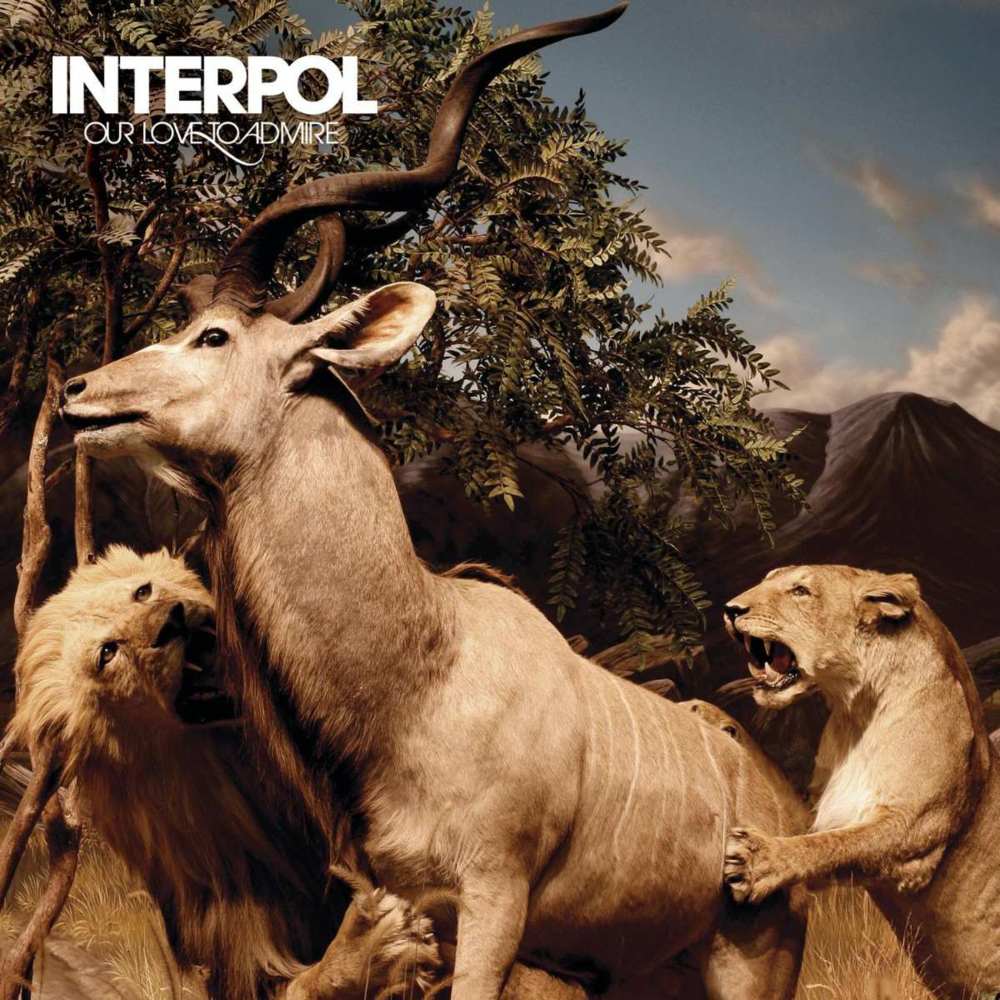
 View Artist