Song Meaning
The lyrics paint a vivid picture of a listener in a field, experiencing the raw, primal sounds of nature and the universe. There's a sense of awe as the abyss cries out, Mother Earth pants, and the cosmos itself rumbles. This initial immersion in a vast, almost overwhelming natural soundscape sets a tone of profound connection to something immense and ancient.
The core of the piece lies in its insistent declaration of unity: "Egyek vagyunk" (We are one). This refrain repeats, emphasizing a deep, fundamental oneness that transcends individual existence. It’s not just about shared humanity, but a cosmic brotherhood, a connection at the "most inner point" and within the "seed" of being. The repetition hammers home the idea that despite apparent separation, there's an unbroken thread connecting all things.
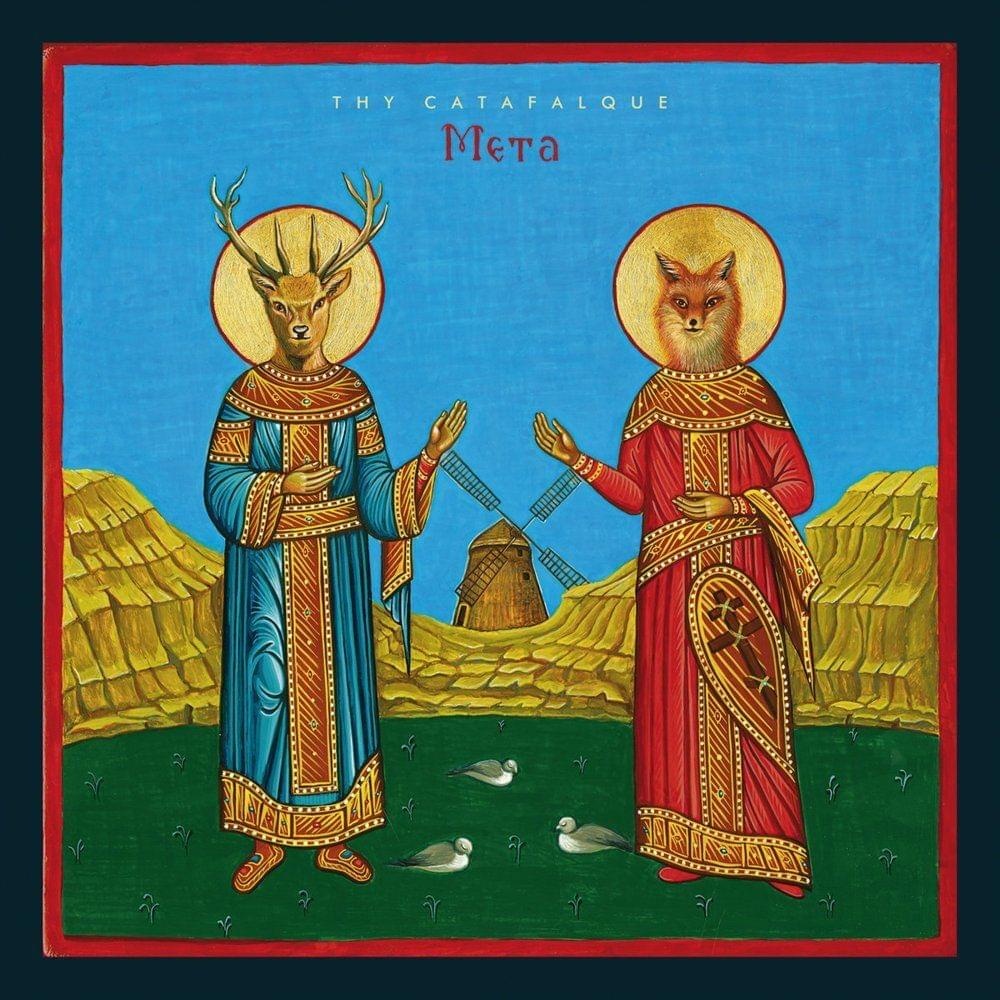
The most striking shift occurs in the final stanza, moving from cosmic unity to a personal, almost desperate plea. The narrator addresses their "beautiful life" and "wonderfully beautiful life," urging a stag and a fox to carry it onward. This contrasts sharply with the earlier, detached sense of universal oneness, introducing a deeply personal and perhaps fragile element. It suggests that even within this grand cosmic unity, the individual life, with its beauty and vulnerability, needs to be preserved and passed on.
This juxtaposition makes the lyrics hit hard. The grand, almost overwhelming pronouncements of unity are grounded by the intimate, urgent request for the continuation of a single, beautiful life. It’s this blend of the cosmic and the personal, the universal and the individual, that creates a powerful emotional resonance, leaving the listener contemplating their own place within the vast, interconnected tapestry of existence.
 View Artist