Song Meaning
The lyrics paint a stark, visceral picture of ritualistic self-harm and devotion. The narrator is engaged in a dark ceremony, offering inflicted wounds and their own life to a demonic entity. The scene is set within a grim temple, complete with black candles and inverted crosses, emphasizing the unholy nature of the rites. This isn't just about pain; it's a transaction, a desperate plea for acceptance or power from a dark lord.
The central tension lies in the narrator's willing participation in their own destruction. They actively "summon my own death" and "cut my flesh in the name of Satan," driven by an apparent belief in the rewards offered by this dark deity. The repeated phrase "Cut, cut, so deeply cut" underscores the intensity and perhaps the escalating nature of the ritual, blurring the line between self-mutilation and a perverse form of sacrifice. The lyrics suggest a profound, albeit twisted, sense of purpose in these actions.
The most striking craft element is the stark contrast between the earthly ritual and the cosmic/infernal destinations. While the narrator is physically "far inside our temple" and "below the black soiled earth," they also look "high above the cosmic sky." This juxtaposition of immediate, brutal action with grand, otherworldly consequences amplifies the perceived significance of the sacrifice. The imagery of "thrones of black" and "thrones of fire" hints at a dualistic, yet equally terrifying, afterlife awaiting the devoted.
Ultimately, the effectiveness of these lyrics stems from their unflinching commitment to a dark, disturbing aesthetic. The direct, almost clinical descriptions of violence, coupled with the grand pronouncements of devotion, create a potent sense of dread and morbid fascination. The narrator's complete surrender to the ritual, offering "life" and "soul," leaves the listener with a chilling impression of absolute, self-destructive faith.
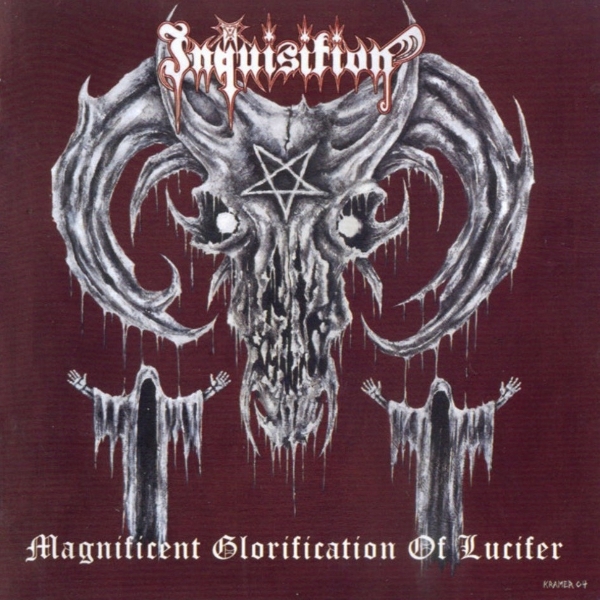
 View Artist