Song Meaning
The lyrics paint a picture of an encroaching, insidious threat, personified by "Roman soldiers of Babylon." These figures are described as being "in plain clothes," suggesting a hidden, perhaps governmental or societal, force that doesn't immediately reveal its hostile intent. Their presence is felt "right behind us," creating a sense of immediate danger and pursuit, while their objective is to "fight us" and "turn Dreadlocks into politician," implying an attempt to co-opt or corrupt a specific cultural or spiritual identity.
The central tension lies in the clash between this external, oppressive force and the internal resilience of the "Rastafari." The repeated command "Don't give up" acts as a rallying cry against the perceived enemy. The lyrics invoke Marcus Garvey's foresight, suggesting that this struggle was anticipated, lending a historical weight to the present conflict. The enemy's material advantage, "pockets full of ammunition," is contrasted with the spiritual strength of the Rastafari, specifically the "wisdom of Selassie I."
The most striking aspect is the juxtaposition of "Roman soldiers" with "Babylon" and the specific mention of "Dreadlocks" and "Rastafari." This blends historical imagery with a modern spiritual movement, creating a potent metaphor for systemic oppression targeting cultural and religious identity. The "plain clothes" detail is crucial, highlighting how the threat is not always overt but can be disguised within everyday society, making the call to "Don't give up" even more urgent.
Ultimately, the lyrics find their power in this spiritual defiance. The assertion that "Rastafari will blow them away" offers a message of hope and inherent strength, suggesting that true wisdom and faith are insurmountable against external forces seeking to suppress them. The writing effectively uses this symbolic language to articulate a struggle for cultural and spiritual preservation against an unseen, pervasive enemy.
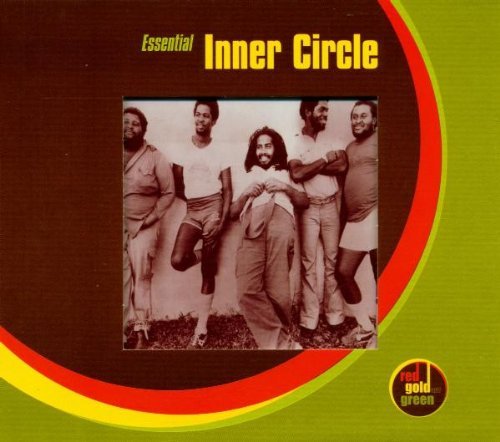
 View Artist