Song Meaning
The lyrics paint a picture of someone feeling isolated and unloved, questioning the nature of their own affection. The narrator asks, "How many times I have to love you, baby?" suggesting a weariness with their own efforts in a relationship. They observe another person who "walk[s] around like you own this town," implying a confident, perhaps arrogant, demeanor that contrasts with the narrator's own feelings of not fitting in. This sense of disconnect is amplified by the admission, "You've lost your mind / 'Cause I've lost mine," hinting at a shared or mirroring descent into emotional turmoil.
The central tension arises from a perceived lack of reciprocal love and belonging. The repeated accusation, "She says I've got no love," is directed at an unnamed "bitch" who "takes and she takes / But she won't give in." This aggressive language suggests deep resentment towards someone who is seen as selfish and unyielding. The narrator feels excluded from a group that "love and they love," yet they "still don't fit in," highlighting a profound sense of alienation and an inability to connect with others' affection.
The most striking element is the stark contrast between the narrator's internal chaos and their hopeful anticipation of a benevolent figure. Despite admitting, "I've lost my mind," the outro repeatedly emphasizes, "But my king will be kind." This juxtaposition suggests a desperate yearning for a guiding force, a benevolent authority or partner, who will offer the kindness and acceptance that the narrator feels is missing from their current relationships and social circles. The repetition of "my king will be kind" acts as a mantra, a plea for salvation from their emotional distress and social exclusion.
This lyrical construction is effective because it grounds abstract feelings of loneliness and inadequacy in concrete, albeit aggressive, imagery. The raw emotion of "I fucking hate that bitch" clashes with the tender hope of "my king will be kind," creating a powerful emotional arc. The narrative voice feels authentic in its struggle, oscillating between bitter resentment and a vulnerable, almost childlike, faith in a future rescuer. It’s this raw vulnerability, coupled with the sharp edges of anger, that makes the narrator's plea for kindness so compelling.
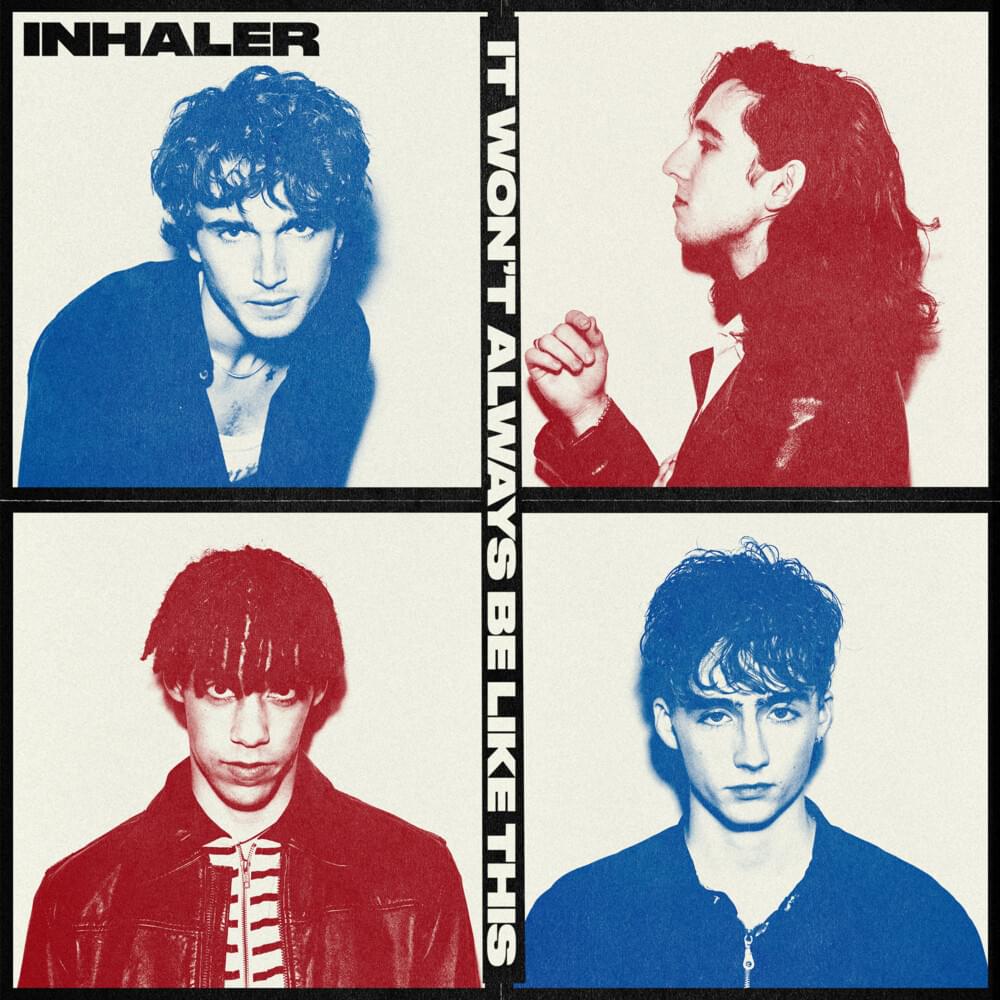
 View Artist