Song Meaning
The lyrics paint a stark picture of performative compassion, contrasting outward displays of virtue with a perceived lack of genuine empathy. The narrator observes someone holding up a sign and shouting about love and grace, yet questions their willingness to offer true refuge, asking, "But would you take her in / If she cose not to stay." This immediately establishes a tension between the ideal of love and its practical, often conditional, application.
The central conflict seems to stem from hypocrisy, particularly within a religious or moralistic framework. The lyrics suggest that outward piety, like "Religion suits you well," can serve as a "cover your guilt," masking "secrets you'll never tell." The narrator challenges this by invoking the concept of forgiveness and reminding the subject of a shared origin, questioning the judgmental "point your finger / And throw your stones" attitude and asserting that "no man is better than the next one."
The most striking element is the repeated, almost desperate, plea for a fundamental shift in human behavior: "If we could love / We could change the world." This refrain acts as both a critique and a hope, highlighting the perceived chasm between the potential for universal love and the current reality of division and judgment. The chorus further amplifies this plea, directly addressing a higher power to "heal our land" and remove "foolish pride," underscoring the narrator's belief that true change requires a profound internal and collective transformation.
Ultimately, the effectiveness of these lyrics lies in their direct, confrontational questioning of superficial morality. By juxtaposing grand pronouncements of love with pointed inquiries about action and a call for humility, the song resonates as a critique of self-righteousness and a yearning for a more authentic, compassionate existence. The repeated assertion that "we've got to save ourselves / Before we can save somebody else" serves as a powerful, grounding reminder of personal responsibility in the pursuit of collective betterment.
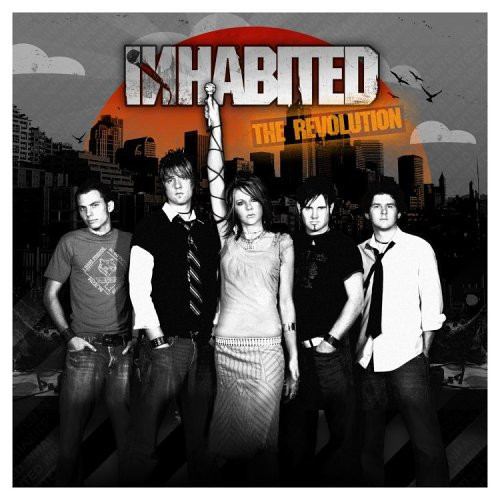
 View Artist