Song Meaning
The lyrics paint a picture of a profound, unexpected arrival, personified by the name "Indra." The narrator pleads for this presence to linger, "Neaizliedz vēl, to solīto vēl" (Don't forbid yet, the promised yet), suggesting a deep longing for something that has finally manifested. This arrival is described as "negaidīti, negaidīti" (unexpectedly, unexpectedly), emphasizing its sudden and surprising nature, yet it feels "sen gaidītā" (long-awaited), creating a powerful emotional paradox.
The core tension lies in the desire to hold onto this fleeting, yet deeply desired, encounter. The narrator actively tries to bridge time and distance, "Pāri laikam pretī rītam" (Across time towards the morning) and "Un pār laiku pāri tieku" (And across time I reach). The act of placing a hand under the head, "Tev zem galvas roku lieku," signifies intimacy and a desire for closeness, anchoring this ephemeral experience in a physical gesture.
The most striking element is the repeated invocation of "Indra," presented as a dawn-like revelation. The phrase "Iz saullēktiem ārā" (Out of sunrises) and "Saullēktu Indra" (Sunrise Indra) links this entity to new beginnings and illumination. Indra "uzausa" (dawned on me) like a "noslēpums" (secret) that "Atklājies" (revealed itself), highlighting the transformative and illuminating quality of this unexpected, long-awaited presence.
This lyrical construction is effective because it captures the disorienting yet exhilarating feeling of a deeply desired revelation appearing without warning. The contrast between "unexpected" and "long-awaited" creates a potent emotional resonance, while the imagery of dawn and secrets unfolding makes Indra feel like a profound personal epiphany rather than just a person or event.
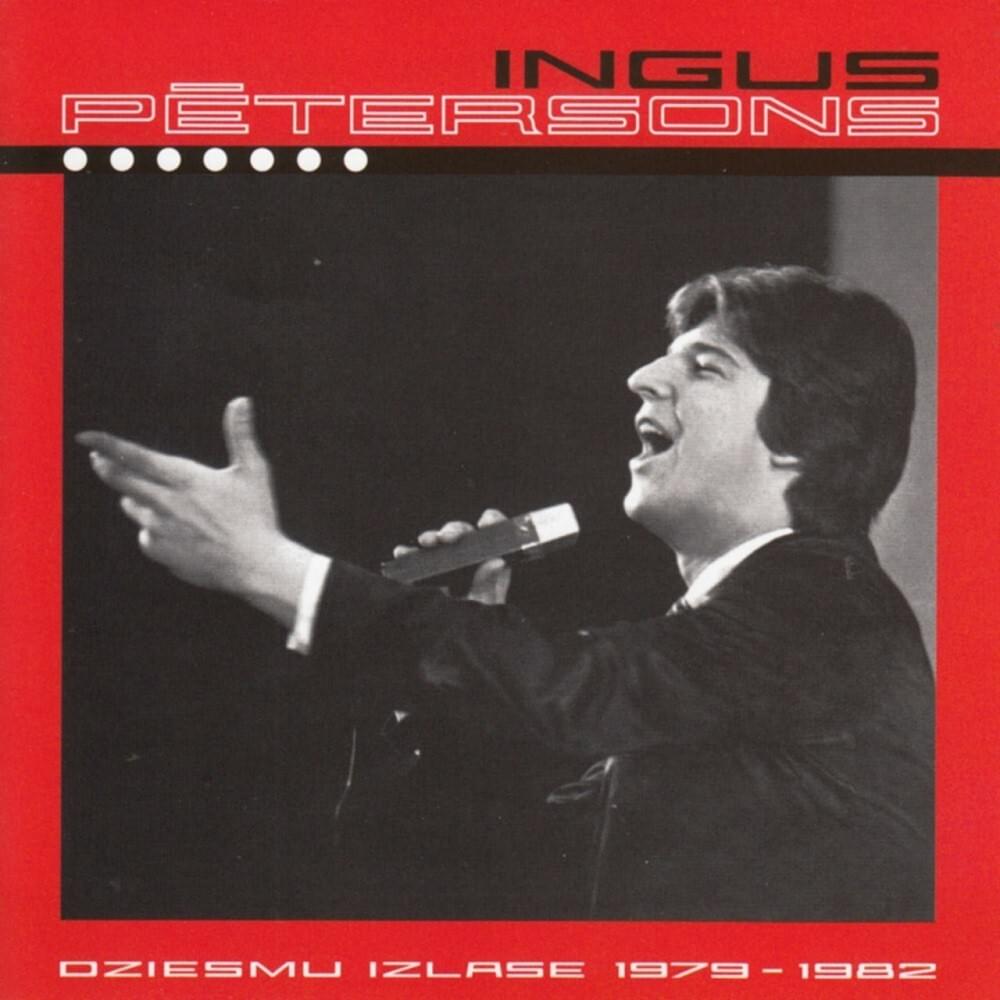
 View Artist