Song Meaning
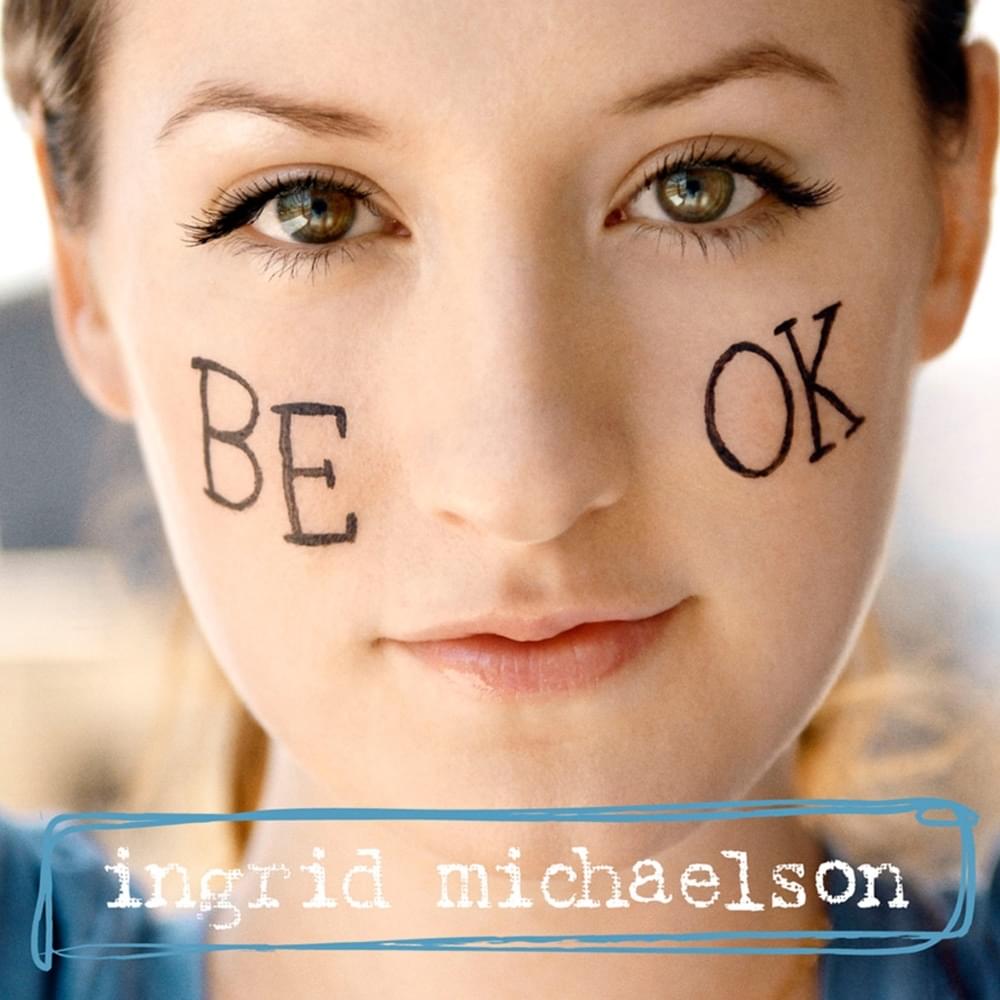
Ingrid Michaelson's rendition of "Over the Rainbow" isn't just a cover; it's a poignant exploration of longing and the elusive nature of dreams. Stripped of the original's orchestral grandeur, Michaelson's version highlights the raw emotional core of the lyrics. The rainbow, a symbol of hope and promise, becomes a bittersweet reminder of what feels perpetually out of reach. The simplicity of the arrangement underscores the yearning in Michaelson's voice, transforming a classic into a deeply personal meditation on aspiration. The repeated question, "Why then, oh why can't I?" isn't a childish lament, but a mature confrontation with the barriers—internal or external—that prevent us from attaining our envisioned happiness.
The song's power lies in its universal relatability. The "land that I heard of, once in a lullaby" represents the idealized future we construct for ourselves, often in childhood. As adults, we recognize the inherent impossibility of fully realizing these fantasies. Yet, the persistent pull of that idyllic vision remains. Michaelson's interpretation acknowledges this tension, the space between the dream and the reality. It's a space filled with both hope and a quiet resignation, a recognition that perhaps the rainbow's end is not a physical destination but a state of mind, a continuous striving toward an ever-receding horizon.
Ultimately, Ingrid Michaelson's "Over the Rainbow" speaks to the inherent human desire for something more, something beyond the everyday. The bluebirds, symbols of freedom and joy, mock the limitations of our own existence. But the song doesn't wallow in despair. Instead, it offers a gentle acknowledgement of our shared yearning, a comforting reminder that the search for that elusive "somewhere" is a journey in itself. It's a quiet anthem for the perpetual dreamer, acknowledging the pain of unfulfilled aspirations while simultaneously validating the enduring power of hope.
 View Artist