Song Meaning
The lyrics paint a picture of a desperate plea for someone to remain present and grounded amidst internal turmoil. The opening lines establish a sense of immediate danger or illusion, urging the listener not to seek external validation or escape through avoidance. "Don't turn around, there's no one there" suggests that whatever is being feared or sought outside is nonexistent, a phantom. The repeated command to "Stay in the room, the water's fine" offers a strange, almost unsettling calm, implying that the perceived threat is internal and that acceptance of the present situation is the only safe harbor. The core directive, "Lose your fears, but don't lose your mind," encapsulates the central tension: a call to shed anxieties without succumbing to a breakdown.
The song builds its emotional weight through a series of stark conditional statements that devalue external validation and immediate gratification. "If you have to say it, it's not worth saying" and "If you have to have it now, it's not worth having" directly challenge the impulse for outward expression and impulsive desire. This is amplified by the blunt assertion, "I have to tell you, you're not so great," which seems to be a harsh dose of reality delivered with a sense of urgency, as "By the time you understand it'll be too late." This creates a dynamic where the narrator is trying to impart a crucial, albeit painful, truth before a point of no return.
The most striking aspect of the craft is the juxtaposition of the urgent, almost frantic commands with the strangely placid imagery of the "fine" water and the invitation to "Sing this song." The repeated refrain, "Don't turn around there's no one there / Don't close your eyes there's no way out," acts as an anchor, reinforcing the inescapable nature of the internal struggle. The shift in the bridge, with its simple, almost childlike "Come along / Take my hand / Sing this song / Understand," offers a glimmer of hope, a suggestion that connection and shared experience might be the path to maintaining one's mental fortitude. It's a delicate balance between acknowledging the terrifying void and offering a hand to navigate it.
Ultimately, the effectiveness of these lyrics lies in their ability to evoke a feeling of being trapped yet guided. The direct, almost confrontational language, coupled with the underlying message of self-preservation, creates a powerful emotional resonance. The narrator's insistence on facing the internal rather than seeking external solace, even if it means delivering uncomfortable truths, speaks to a profound, albeit difficult, form of care. The song doesn't offer easy answers but instead provides a stark, memorable framework for confronting one's own mental landscape.
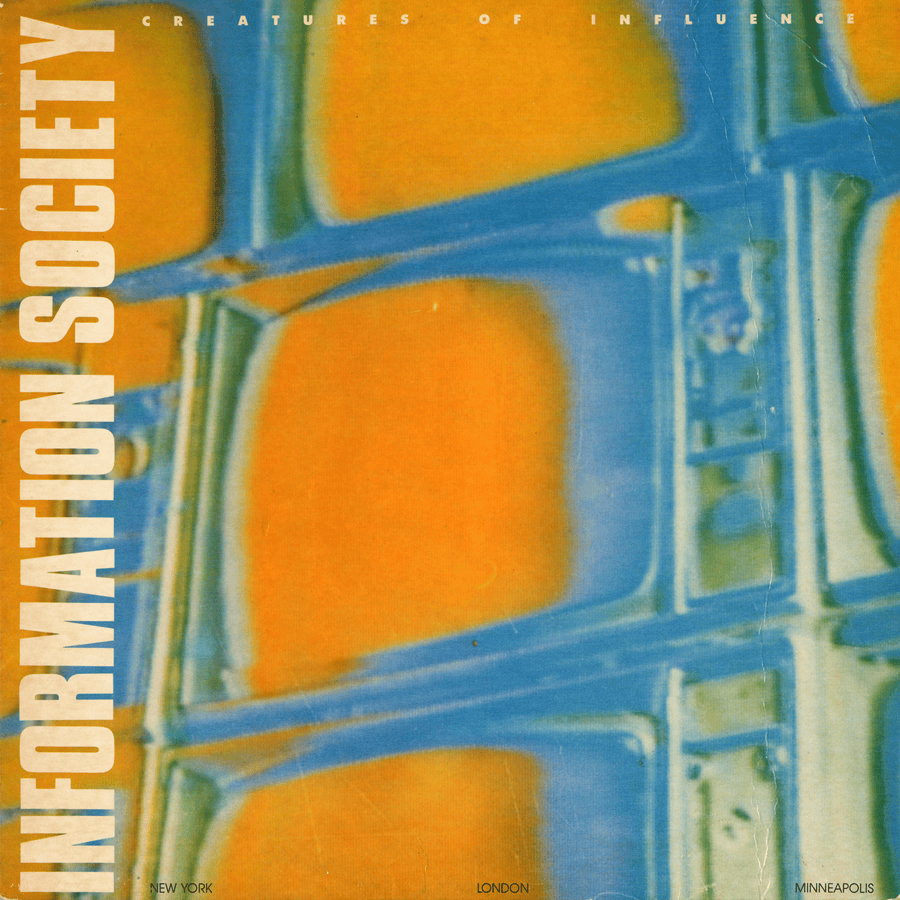
 View Artist