Song Meaning
The lyrics paint a picture of a love that was once immense, now fractured but still holding onto a profound, almost sacrificial, tenderness. The opening lines immediately establish a sense of epic, almost fated connection, comparing the love to timeless archetypes like "father and daughter" and "beauty and the beast." This sets a tone of deep, enduring affection, even as the narrator acknowledges a tendency to escape difficult emotions and avoid becoming a negative force due to the relationship. It suggests a love that, despite its intensity, has faced significant challenges.
The central tension lies in the narrator's declaration of forgiveness and her willingness to bear the emotional burden alone. The repeated phrase "Volela sam te" (I loved you) anchors this past intensity, while the present action is one of absolution: "Opraštam ti sve" (I forgive you everything). This forgiveness isn't presented as easy or effortless; rather, it's a conscious choice to protect the other person from further pain, even at the cost of her own suffering. The lines "Patiću ja za oboje" (I will suffer for both of us) reveal a deep, self-sacrificing love that continues to define her actions even after the love itself has changed.
The craft here hinges on stark contrasts and a poignant, almost melancholic, acceptance. The initial grand comparisons of love are juxtaposed with the quiet, internal struggle described in the second verse: a "fake smile for the world" and the fear of "heavy thoughts." The image of a "beautiful flower withers" highlights the transient nature of even the most cherished things. This internal suffering is presented as a deliberate choice, a way to avoid giving up on happiness entirely, even if that happiness is now tinged with profound sadness and self-imposed pain.
Ultimately, the effectiveness of these lyrics stems from their raw emotional honesty and the narrator's quiet strength in the face of heartbreak. The repeated refrain, emphasizing the depth of past love and the present act of forgiveness, creates a powerful emotional resonance. It's not about anger or blame, but about a profound, enduring love that chooses to absorb pain rather than inflict it, making the narrator's sacrifice feel both devastating and deeply admirable.
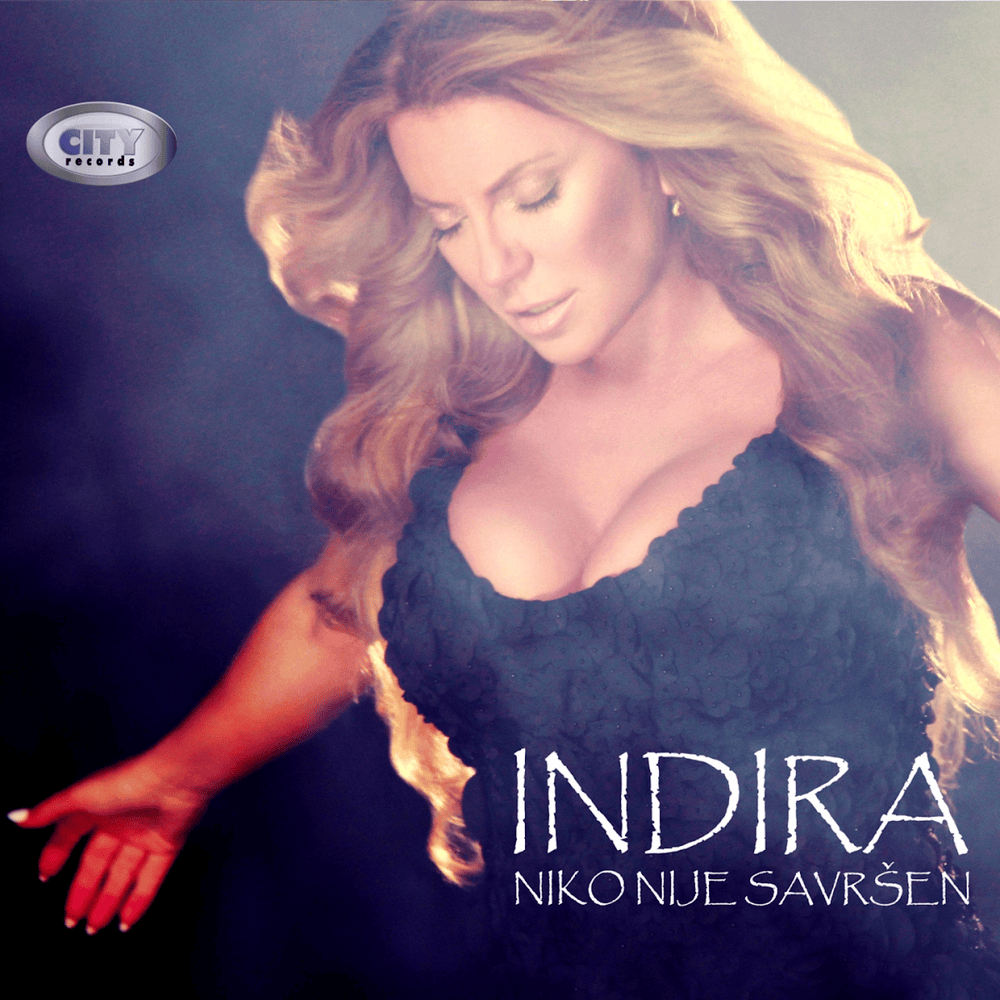
 View Artist