Song Meaning
The lyrics paint a picture of a complex, perhaps fraught, relationship, framed by the recurring phrase "Three hits to the heart son." This opening line immediately establishes a sense of impact and emotional consequence, juxtaposed with the seemingly contradictory "poetry in motion." The narrator grapples with communication and connection, questioning if words can truly liberate or if they are a "barter for a blind man." There's a sense of being trapped or misunderstood, especially with the imagery of being "levee'd like a treasure" and the world being a "fickle measure."
The central tension seems to revolve around the nature of these "hits" and their effect. The narrator asks, "Would you trade your words for freedom?" suggesting a desire for escape or authenticity that words might hinder. The idea that "three's a strange way to be delivered" hints at a process or a series of events that are difficult to process or accept. The repeated address "son" adds a layer of paternalistic or perhaps weary guidance, as if explaining a harsh reality.
The most striking craft element is the duality presented: the pain of "hits to the heart" versus the grace of "poetry in motion." This contrast suggests that even in moments of deep emotional wounding, there can be an aesthetic or profound quality to the experience. The final verse introduces a plea to maternal and beloved figures, asking "do you claim me?" and "do you blame me?" This personalizes the struggle, and the revelation that "the first two might release you / But the last one sings in me son" offers a poignant twist. It implies that while some emotional blows might offer a form of liberation, the final, most impactful one becomes an internalized part of the narrator's being.
Ultimately, these lyrics resonate because they capture the bittersweet reality of emotional experience. The writing doesn't shy away from pain, but it finds a strange beauty and a profound internal resonance within it. The "hits" are not just destructive; they are formative, shaping the narrator's inner world in a way that is both painful and, in its own way, poetic. The ambiguity of the situation allows listeners to project their own experiences of difficult truths and their lasting impact.
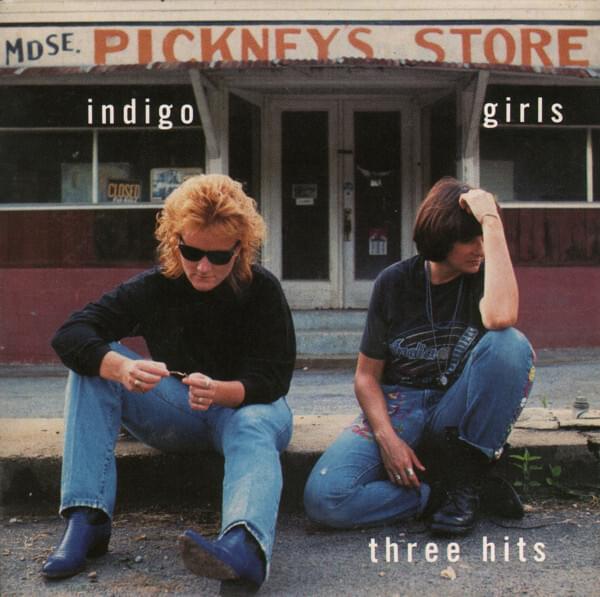
 View Artist