Song Meaning
The lyrics paint a picture of a woman who once lived in a world of poetry and dreams, finding beauty in simple things like "the shine in the grass." She was deeply connected to the narrator, "all mine, mine, mine," yet possessed an inherent distance. This idealized past, filled with "Lorka and Bodler," suggests a sensitive, artistic soul lost in her own imagination, separate from the mundane.
The core tension arises from the stark contrast between this past self and the present reality. The narrator implores her not to seek him or the past, stating, "what once was, you won't find." The insistent repetition of "nemoj, nemoj, nemoj nikad zvati" (don't, don't, don't ever call) underscores a painful severance. The lyrics suggest that life's burdens have settled upon her, transforming the dreamer into a woman who must confront a more ordinary existence.
The most striking element is the recurring motif of "sjaj u travi" (shine in the grass), which transforms from a symbol of her poetic, almost ethereal nature to something lost. The repeated phrase "Nema više nikog da ti vrati sjaj u travi" (There's no one left to bring back the shine in the grass) highlights the irretrievable nature of her former self. The final plea, "Prestani da sanjaš i da tražiš sjaj u travi" (Stop dreaming and searching for the shine in the grass), is a direct command to abandon the illusion and accept the present.
This song resonates because it captures the bittersweet ache of watching someone you knew deeply evolve, or perhaps be diminished, by the weight of adult life. The specific imagery of the "shine in the grass" makes the abstract concept of lost innocence or artistic spirit tangible. The narrator's desperate, repetitive warnings reveal a profound sense of loss, not just for himself, but for the vibrant, imaginative person she once was.
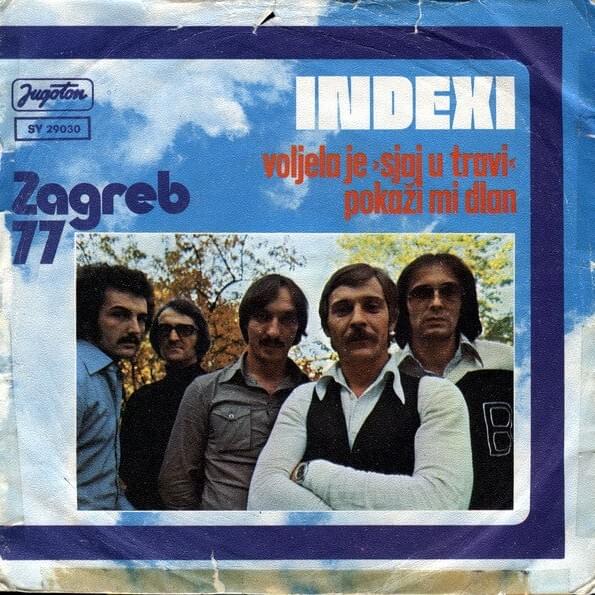
 View Artist