Song Meaning
This track immediately sets a tone of radical subversion, calling to exalt those who reject a "fading kingdom" and a "dethroned trinity." The language is charged with religious imagery, but twisted to suggest a dismantling of established divine authority. It paints a picture of a "malicious transgressor" tasked with purging the sacred, creating an immediate tension between veneration and destruction.
The core of the lyrical conflict appears to be the paradoxical role of a figure, possibly the "son of man," who is both "unleashed to lay waste" and destined to "endure the cross of our defiance." This suggests a messianic figure whose purpose is not salvation in the traditional sense, but rather to bear the burden of humanity's rebellion against the very powers they are meant to represent or overthrow. The repetition of "A messiah to endure the cross of our defiance" hammers home this central, bleak paradox.
The most striking craft element is the inversion of religious archetypes. Instead of a savior, we get a transgressor purging the holy; instead of redemption, we are led to "desolation." The "Christ's congregation" is framed not as followers of salvation, but as those who will face this desolation. This deliberate repurposing of sacred language creates a powerful sense of dread and a critique of established religious structures.
This lyrical approach hits hard by confronting the listener with a vision of faith turned destructive and a savior figure burdened by collective defiance. The stark, inverted imagery and the relentless focus on a grim, inevitable outcome make the narrative feel both epic and deeply unsettling, forcing a re-evaluation of familiar religious narratives through a lens of profound disillusionment.
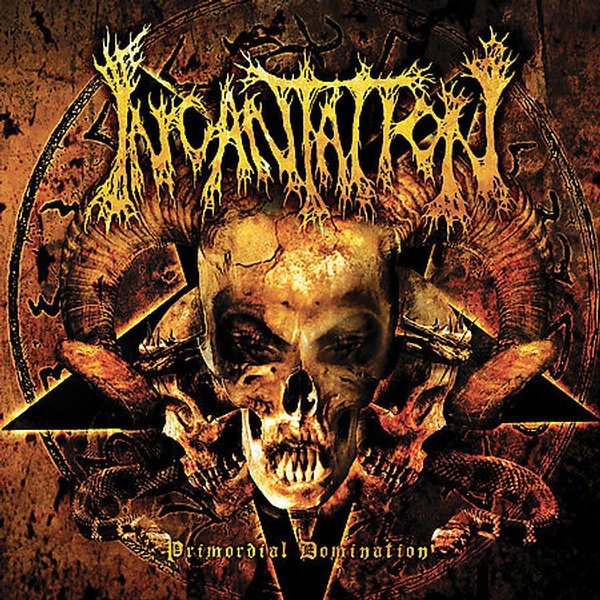
 View Artist