Song Meaning
This is a lament of profound, self-inflicted despair, framed by a fallen messianic figure. The narrator declares himself a mortal man, a king dethroned, and a messiah who will never arrive. The opening lines immediately establish a tone of broken divinity and inescapable fate, painting a picture of someone born into greatness but destined for ruin. The lyrics reject any hope of salvation or future redemption, emphasizing a permanent state of spiritual and emotional desolation.
The central tension lies in the narrator's self-awareness of his own inadequacy and the futility of his perceived destiny. He acknowledges his foolishness in worshiping a flawed, mortal existence, recognizing his throne as weak and his own spirit as feeble. This internal conflict between a grand, albeit failed, self-image and the harsh reality of his fallen state fuels the pervasive sense of anguish.
The most striking craft element is the juxtaposition of angelic and mortal imagery with a tone of utter hopelessness. Terms like "Angelic disgraced," "Suffering Seraph," and "Mournful entity" evoke a cosmic fall, yet they are grounded by "mortal man" and "weak throne of mortality." The repeated assertion "For I am he" acts as a desperate, almost defiant, self-identification with this broken state, underscoring the inescapable nature of his chosen suffering.
These lyrics hit hard because they articulate a profound sense of personal failure that transcends the mundane. The narrator’s self-condemnation, coupled with the grand, almost biblical language of fallen divinity, creates a powerful emotional resonance. It’s the sound of someone staring into an abyss of their own making, finding no solace and only the echo of their own despair.
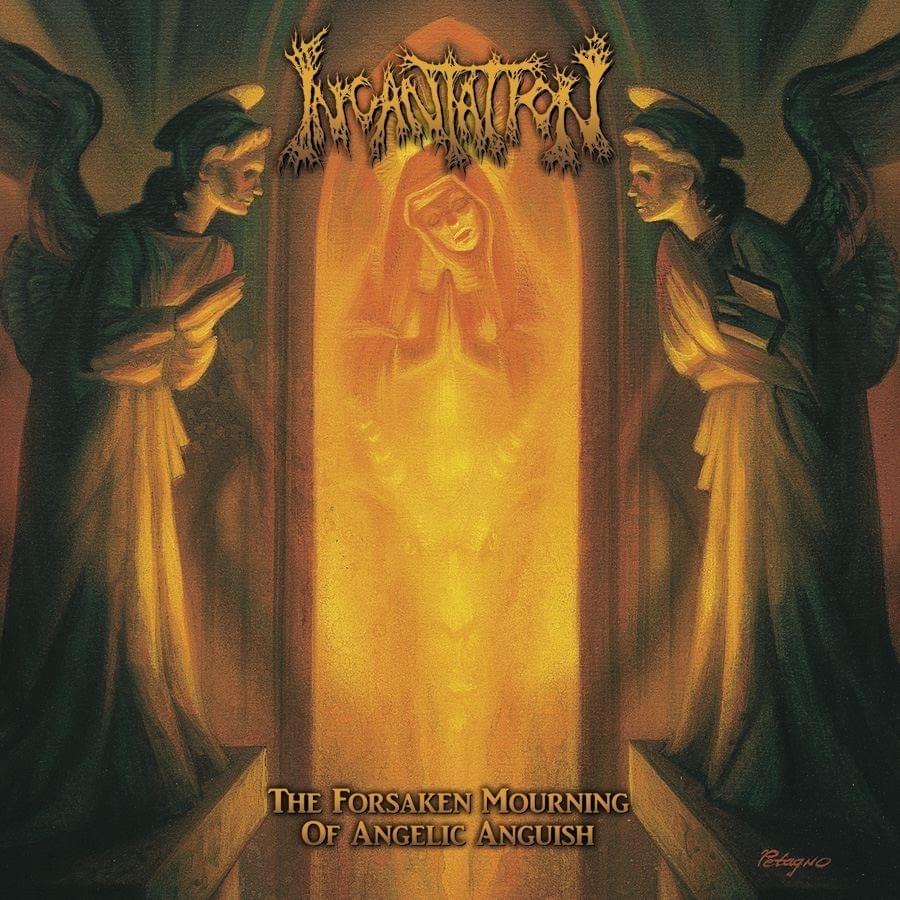
 View Artist