Song Meaning
This track paints a grim, ritualistic scene where a sacred flame casts dark shadows, suggesting a corrupted origin. The imagery of "bloodquenched roots" and "festering flesh of the 'divine' host" immediately establishes a tone of decay and perversion, hinting that the source of power is tainted. The "wielder of the crooked staff" advancing towards "vestals" contorting in ritualistic "stances" further solidifies this unsettling, dark ceremony.
The central tension arises from the juxtaposition of the "divine" and the profane, the sacred and the corrupted. The lyrics question the nature of divinity itself, noting how the "'godly' succumb to their wrath." This suggests a fall from grace or an inherent flaw within the divine, which is then exploited or understood through a dark "rite." The "virtuous three" passing "knowledge" through a "corpse sight" implies that enlightenment or power is gained through death and desecration.
The most striking craft element is the use of contrasting terms and the implication of inverted power dynamics. The "radiant sacred flame" gives way to "black veins" and "shadows." The "divine host" is "festering," and the "defeated" achieve "infinite victory" while in "fetters." This deliberate subversion of expected meanings creates a sense of cosmic dread and moral ambiguity. The final lines, naming "Patrimpas, nurturer," "Perkunas, cleaver," and "Patulas, enslaver," seem to define these entities not by benevolent roles but by their capacity for destruction and subjugation, reinforcing the prophecy of decay.
These lyrics are effective because they construct a potent, albeit abstract, narrative of spiritual corruption and the grim acquisition of forbidden knowledge. The visceral imagery of decay and the inversion of sacred concepts create a powerful, unsettling atmosphere. The deliberate ambiguity regarding the nature of the "divine" and the "wielder" forces the listener to confront the unsettling idea that power and divinity can be found in the most corrupted and profane of sources, making the "carrion prophecy" feel disturbingly inevitable.
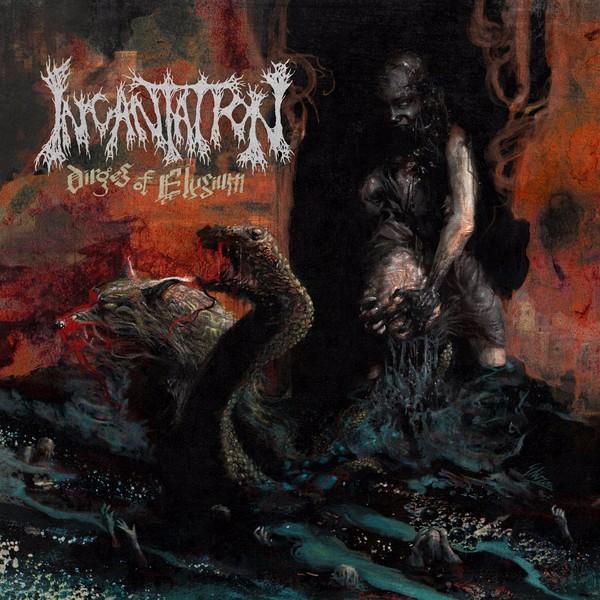
 View Artist