Song Meaning
The lyrics paint a picture of profound vulnerability and a desperate plea for comfort and connection. The opening questions, "Are you on my side?" repeated with a slight variation, immediately establish a tone of insecurity and a need for reassurance. The narrator seems to be asking for support, not just emotionally, but physically, as they "turn me on my side / And let me sleep," suggesting a state of exhaustion or distress that requires gentle care. This is juxtaposed with a demand for open communication: "But you should tell me everything," hinting at a past or present lack of transparency that causes pain.
The passage of time is a central theme, framed by the narrator's reflection on their own youth compared to the present. "I was as young as you are now" and "it went as fast as what they always say" evoke a sense of regret or wistful observation about how quickly life passes, contrasting the perceived "long days" with the swiftness of years. This creates a poignant tension between the present moment's perceived slowness and the overwhelming speed of life's progression, a "sweet cliché" that nonetheless holds a deep emotional truth for the narrator.
The core of the emotional weight lies in the repeated refrain about the beloved's words and presence. The image of standing "with the sun on my face / And your words in my mind" suggests moments of clarity or reflection where the other person's influence is paramount. The declaration, "You were all, you were all / You all are all that I need," is a powerful statement of dependence and singular focus, elevating the other person to the sole source of fulfillment and necessity. This intense reliance is further emphasized by the subsequent requests for intimate, almost childlike care: "Will you kiss my face? / Will you close my eyes? / Will you dress me, like a child / And will you carry me." These lines convey a deep yearning for protection, unconditional acceptance, and a return to a simpler state of being, where the narrator can be completely surrendered and cared for.
The effectiveness of these lyrics stems from their raw, unvarnished expression of need. The simple, direct language, particularly in the repeated chorus and the series of gentle, almost pleading requests, bypasses complex metaphor to hit an emotional core. The contrast between the narrator's past self and present vulnerability, coupled with the overwhelming declaration of dependence, creates a potent emotional landscape. It’s this unadorned articulation of longing for solace and absolute affirmation that makes the song resonate so deeply.
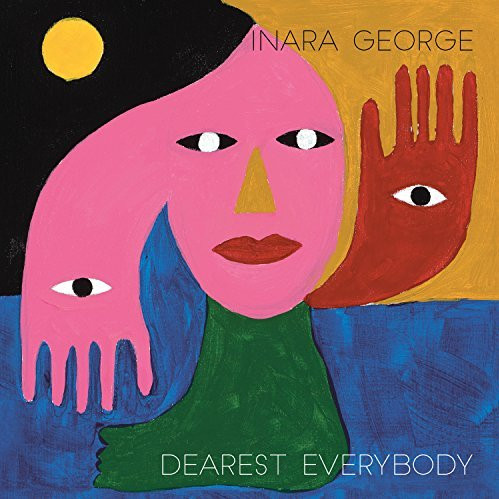
 View Artist