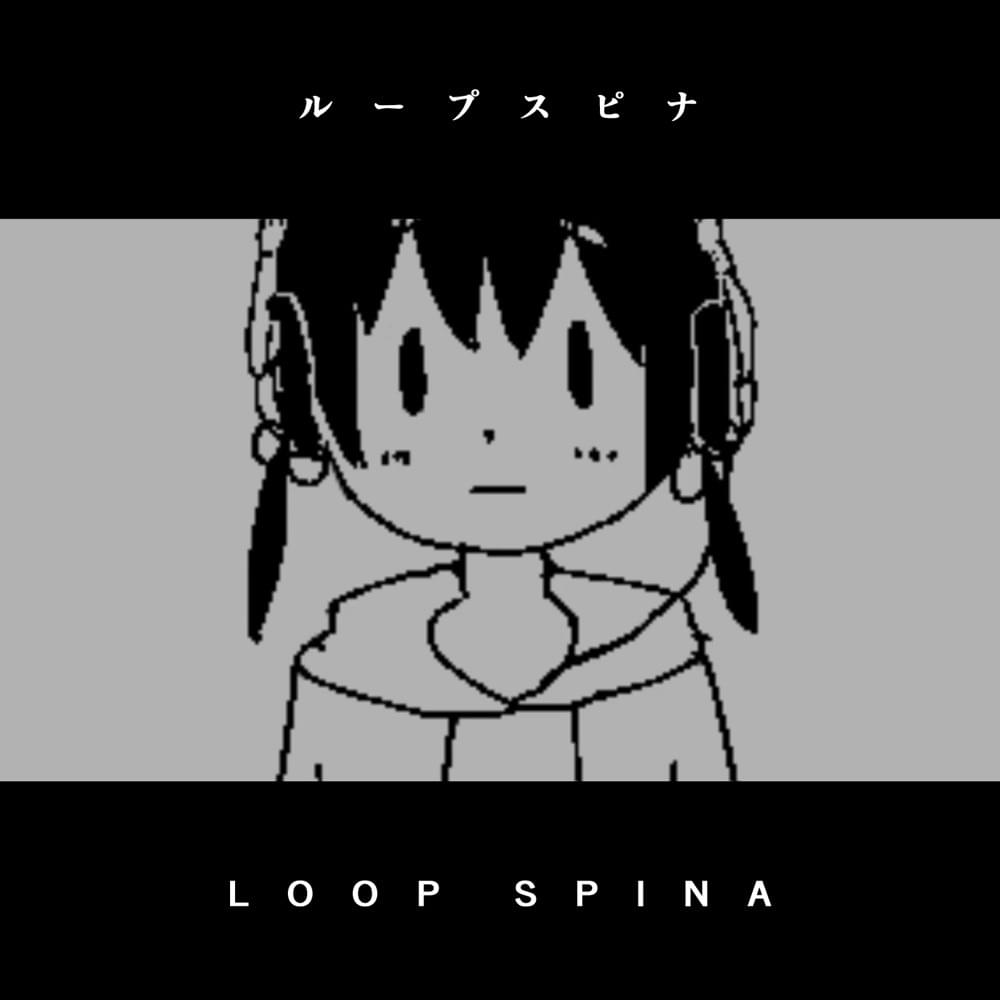
Song Meaning
The narrator feels trapped in a repetitive, spinning world, a sensation emphasized by the onomatopoeic "くるくるくる" (kuru kuru kuru). This feeling of being adrift is directed at both a "boy" and a "girl," suggesting a widespread, almost universal sense of disorientation. The lyrics hint at a need to keep secrets, to avoid drawing attention, and to live in a state of indecision, as overthinking or making choices leads nowhere productive. The phrase "好きって言葉" (suki tte kotoba – the words 'I like you') appears as a recurring, almost desperate anchor in this swirling confusion.
This sense of being stuck is amplified by the idea of "繰り繰り繰り返す" (kuri kuri kurikaesu – repeating over and over), applied to sounds, rhythms, melodies, and even jokes. These repetitions are presented as enduring, "color-fading not" (色褪せないから), yet the narrator also fears being left behind by them. The jokes, in particular, become indistinguishable from truth, blurring the lines of reality and making genuine connection feel impossible. The core tension lies in the inability to break free from these cycles, whether they are external circumstances or internal thought patterns.
The most striking aspect of the craft is the persistent imagery of circular motion and repetition, directly contrasting with the narrator's desire to "stop the loop" (ループを止めるの?). The lyrics describe a mind that can "barely switch gears" (ギリギリ切り替えられる頭を持たされている) and a heart that "sways" (ふらついている), highlighting a profound internal instability. This instability is further underscored by the line about a "girl's delayed thought" (後れる少女思想), suggesting a arrested development or a lingering childhood perspective that prevents moving forward. The narrator feels caught in someone else's "spell" (あなたの術に嵌ってしまうの), unable to find an "index" or a way out of this dizzying cycle.
Ultimately, the effectiveness of these lyrics stems from their raw portrayal of feeling overwhelmed and lost. The repetitive sounds and phrases mirror the narrator's internal state, creating a visceral sense of being stuck. The inability to distinguish between jokes and truth, coupled with the fear of being left behind, makes the yearning for the simple phrase "I like you" feel like a desperate plea for clarity and escape from the endless spin. It's a poignant depiction of navigating a world where genuine connection seems just out of reach, lost in the echo of repeated words and actions.