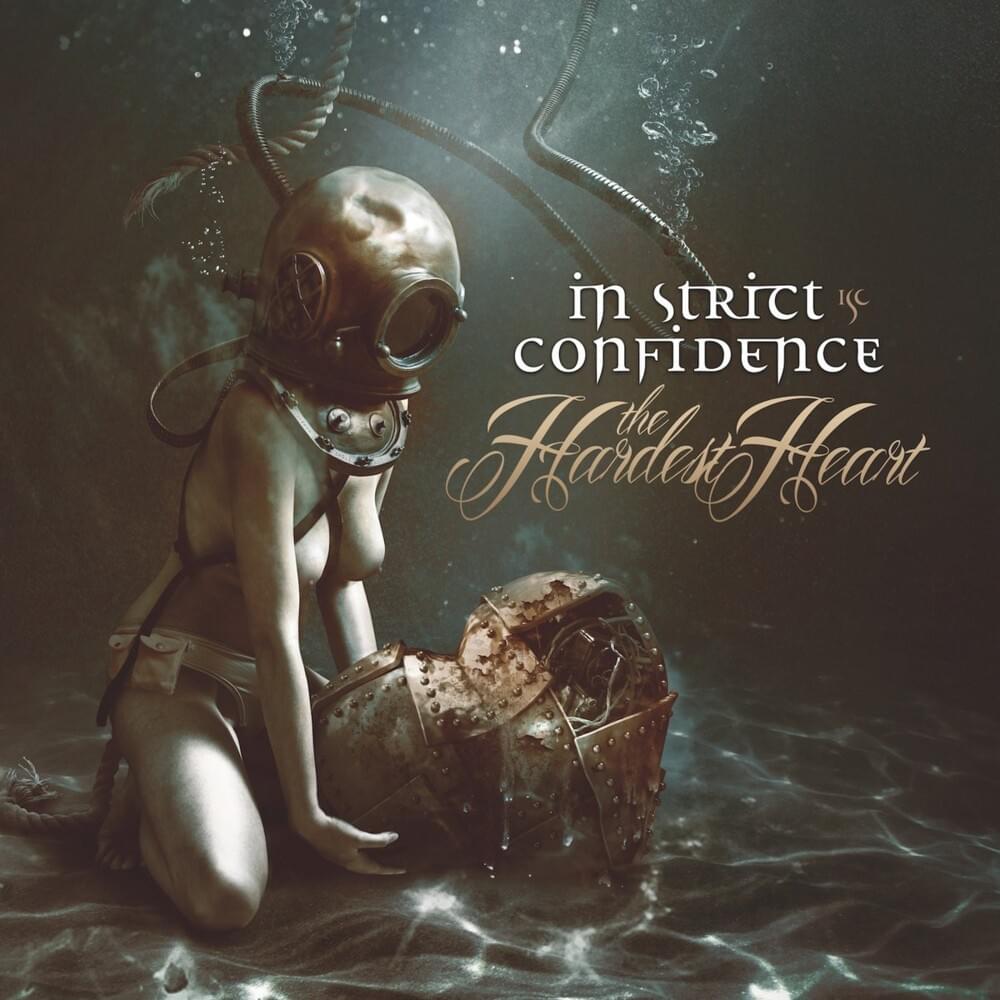
Song Meaning
The lyrics paint a picture of a world where individuals feel isolated and their perspectives are confined, even as they engage in a desperate search for meaning. There's a pervasive sense of moral ambiguity, with the narrator questioning who is righteous and who is flawed, highlighting a struggle to find clear distinctions between good and bad. This internal conflict is amplified by the feeling of being constantly observed and judged, leading to attempts to conceal perceived imperfections.
The central tension arises from a profound disillusionment with the current state of affairs, described as a "sinking ship overflowed." The narrator expresses a deep yearning for something better, a "land of grace" and "land of faith," suggesting a desire for spiritual guidance and redemption. This plea is underscored by a feeling of hopelessness, where aspirations turn to "dust" and "ashes," and the absence of any guiding light or transformative power is keenly felt.
The writing effectively uses contrasting imagery to convey this despair. The initial image of dancing alone with shadows contrasts sharply with the hopeful call for a "land of grace." The repeated questions about "who's the saint, who's the sinner?" and "where's the source, who's the blame?" emphasize a search for answers that remains unfulfilled. The metaphor of a "sinking ship" powerfully communicates the feeling of being overwhelmed and doomed, further amplifying the desperate plea for salvation.
Ultimately, the lyrics resonate because they articulate a shared human experience of searching for hope amidst confusion and despair. The raw honesty in questioning morality and the yearning for a guiding force create an emotional landscape that feels both personal and broadly applicable. The repeated call to the "land of grace" acts as a powerful, albeit uncertain, beacon in a world perceived as increasingly bleak and morally adrift.