Song Meaning
The lyrics paint a stark picture of broken promises and dashed expectations. The opening lines, "Tu m'as promis / Et je t'ai cru," immediately establish a foundation of trust that is systematically dismantled throughout the verses. The narrator recounts a series of grand, almost fantastical promises – "le soleil en hiver," "un arc-en-ciel," "le cheval ailé" – contrasted with the disappointing reality of "une carte postale," "des grimaces," and "un balai" instead of a scepter. This creates a palpable sense of disillusionment, where the imagined ideal is repeatedly shattered by a mundane or even degrading truth.
The central tension lies in the stark disparity between the promised future and the experienced present. The narrator received not the "ciel, et la terre, et une vie d'amour" but instead a series of demeaning substitutes. The promise of guidance, "le fil d'Ariane," is met with its severing, and the expectation of a royal status, "d'être ta reine," is reduced to a symbol of domestic servitude, "un balai." This consistent pattern of betrayal, where every grand gesture is met with a hollow or negative outcome, fuels the narrator's growing resentment.
The most striking element is the recurring motif of the broken promise, amplified by the simple, yet devastating, refrain: "Tu es foutu." This phrase, repeated with increasing intensity, transforms from a potential accusation to a resigned declaration of the other person's inevitable downfall due to their deceit. The narrator's self-identification as "Mademoiselle pas de chance" in the bridge adds a layer of tragic irony, suggesting a pattern of misfortune that seems to stem directly from the actions of the person who made these promises. The repeated "Tu m'as promis" acts as a bitter incantation, each utterance underscoring the depth of the betrayal.
Ultimately, the effectiveness of these lyrics lies in their directness and the escalating sense of injustice. The simple, declarative sentences and the stark contrast between the promised and the received create a powerful emotional arc. The shift from initial belief to the final, damning pronouncement of "Tu es foutu" captures the painful process of realizing the extent of deception and the inevitable consequence for the deceiver. It’s a raw portrayal of how grand illusions can crumble into bitter, accusatory truths.
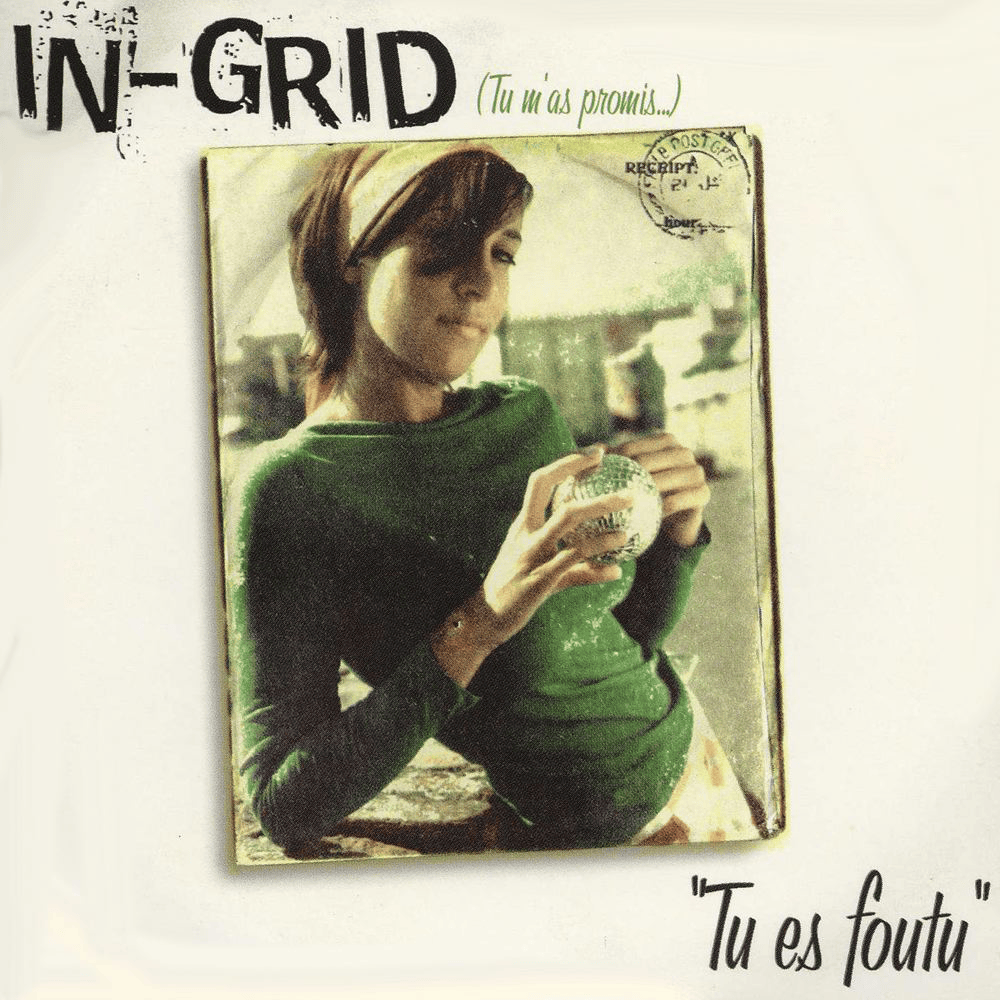
 View Artist