Song Meaning
The lyrics paint a stark, almost mythic landscape where sorrow is a tangible place, the "Moonrise fields of sorrow." This isn't just a mood; it's a setting where ancestral figures, "mighty fathers," have met their end. The imagery is cold and enduring, with mountains observing "dark shining past" and a "bleak sun" casting light on those laid in frost. It establishes a tone of somber remembrance and a connection to a lineage that has fallen.
The central tension lies in the narrator's plea for the past to manifest in the present. The "fathers of Norse men" are not just gone; the lyrics suggest they "shall return" within the living. This desire for ancestral resurgence is amplified by the repeated invocation in the chorus: "Shine for me, fields of sorrow / Shine for me, dread moon." The narrator seems to be asking for a continuation, a reawakening of that ancestral might, even if it comes through a place defined by grief.
The most striking craft element is the personification of sorrow and the moon, treated as entities that can be commanded to "shine." This isn't a passive lament but an active, almost desperate invocation. The desire for "never-ending snowfall" is particularly potent, suggesting a wish for a perpetual state of cold, quiet permanence, perhaps to honor or preserve the memory of those fallen fathers. The repetition of "Moonrise fields of sorrow" in the bridge hammers home the inescapable nature of this melancholic setting.
This writing is effective because it grounds abstract grief in concrete, albeit fantastical, imagery. The cold, stark visuals – frost, icicles, bleak sun, snowfall – create a powerful emotional resonance. The narrator's plea to the "fields of sorrow" and the "dread moon" makes the act of remembering feel like a powerful, almost ritualistic, summoning. It captures a specific kind of longing for a powerful, perhaps even harsh, ancestral legacy to imbue the present.
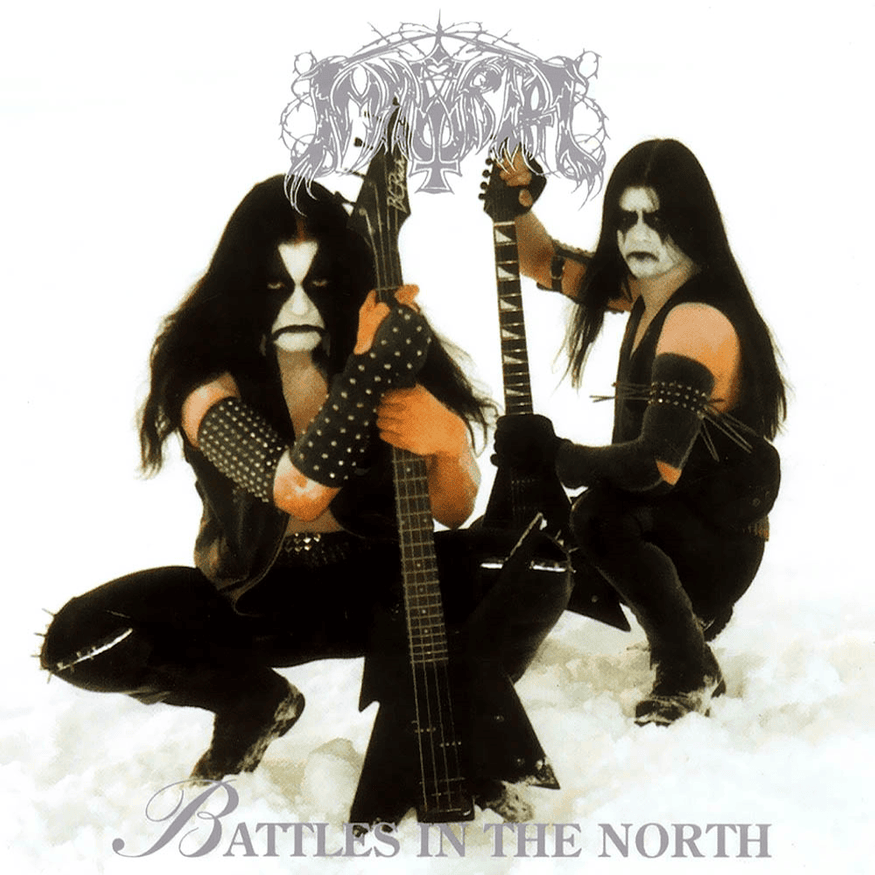
 View Artist