Song Meaning
The lyrics paint a picture of an eternal, arctic winter, a world perpetually "possessed forever / By the chains of time." This isn't just a weather event; it's a state of being, a primal force that arrives with the snow. The "beastly crafts" suggest a deliberate, almost sentient arrival, heralding the "demonstorm" that defines this frozen landscape. The narrator and their kind are intrinsically linked to this destructive power, standing on "highest mountains" and dwelling in "deep valleys," asserting dominance over this desolate realm.
The core tension lies in the relentless, destructive nature of this "demonstorm." It's a force that "flay[s] the skin of earth" and "demonize[s]" everything it touches, driving towards an inevitable "entropys victory." This isn't a storm that passes; it's a permanent condition, a cosmic entropy made manifest. The imagery of "stealers of dawn" and "pale wraiths" emphasizes their role as agents of darkness, actively consuming light and life.
The most striking aspect is the personification of this destructive force as an active, almost joyful entity. The repetition of "demonstorm" and the active verbs like "flay" and "demonize" create a sense of unstoppable momentum. The phrase "Storms are what we breathe" is particularly potent, suggesting that this destructive cycle is not just something they enact, but their very essence, their fundamental mode of existence. It’s a chilling declaration of purpose.
This lyrical construction is effective because it grounds an abstract concept like entropy in visceral, elemental imagery. The stark contrast between the vastness of the "arctic wintery worlds" and the intimate, terrifying actions of the "demonstorm" creates a powerful sense of dread. The narrator's seemingly passive yet absolute embrace of this destructive cycle makes the inevitability feel all the more profound and unsettling.
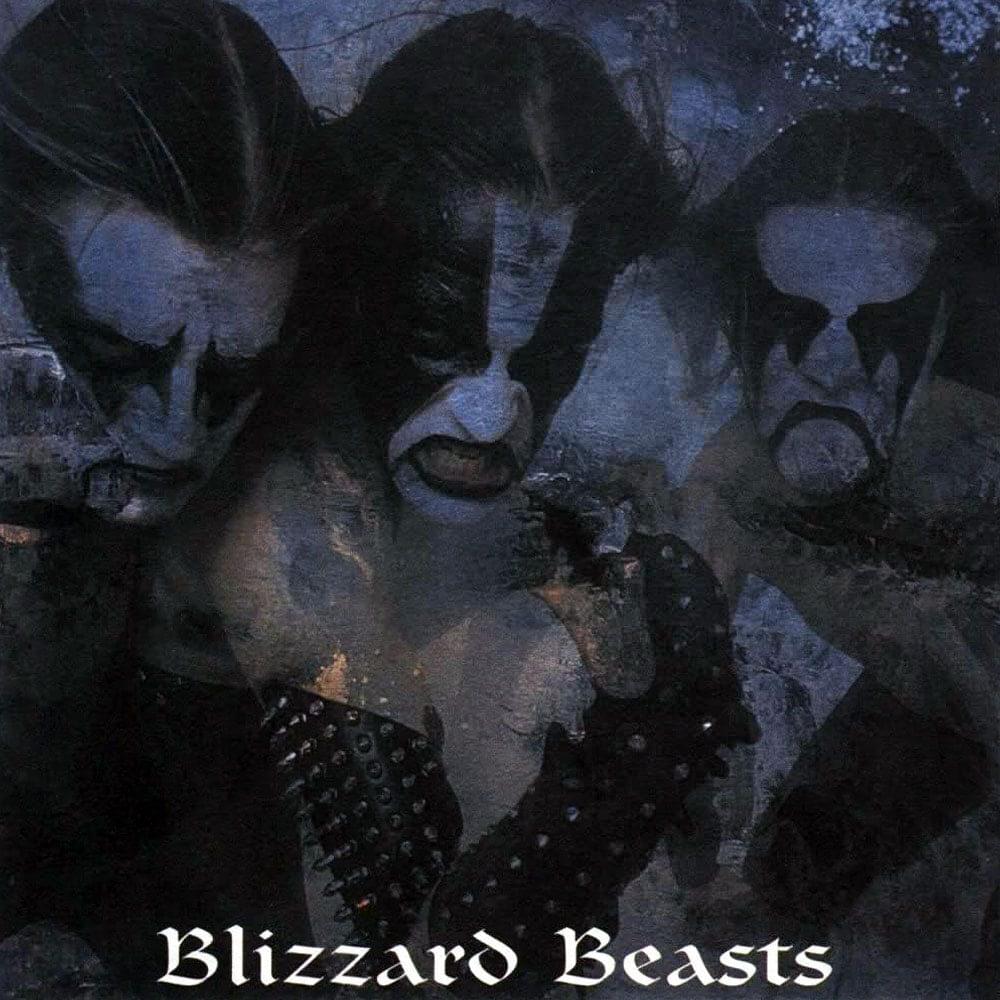
 View Artist