Song Meaning
The lyrics paint a stark, almost mythic landscape of internal struggle. We're immediately thrust onto an "endless tall mountainside" facing "gates to open wide," suggesting a monumental, perhaps daunting, transition. The dominant tone is one of pervasive melancholy, with "sorrow always rain" and a chilling declaration that "winter never dies." This isn't just a bad mood; it's a persistent, almost elemental state.
The central tension lies in the narrator's confrontation with deeply ingrained negative experiences and a sense of inescapable gloom. The "frosty path to sorrow" is guarded by "unearthly beasts," and "darkening memories claim" the present. This imagery suggests that past traumas or deeply held negative beliefs are actively preventing progress, creating a formidable internal barrier. The repetition of these lines emphasizes the cyclical and relentless nature of this struggle.
The most striking element is the juxtaposition of immense, foreboding natural imagery with a plea for companionship. The "stormy gates of mist" and "northern darkness" are vast, impersonal forces, yet the narrator asks to "walk with me hand in hand." This intimate request against such a grand, bleak backdrop highlights a profound need for connection amidst overwhelming desolation. The phrase "bad moons enshrined in the heart" is particularly potent, suggesting that negative influences are not external but internalized, becoming a core part of the narrator's being.
Ultimately, the power of these lyrics stems from their ability to evoke a visceral sense of enduring hardship while clinging to a sliver of hope for shared passage. The final declaration, "At the stormy gates of mist / I'm still standing," is not triumphant but resolute. It speaks to a quiet, stubborn persistence in the face of overwhelming internal and external darkness, a refusal to be completely consumed by the "sorrow" and the "winter" that never dies.
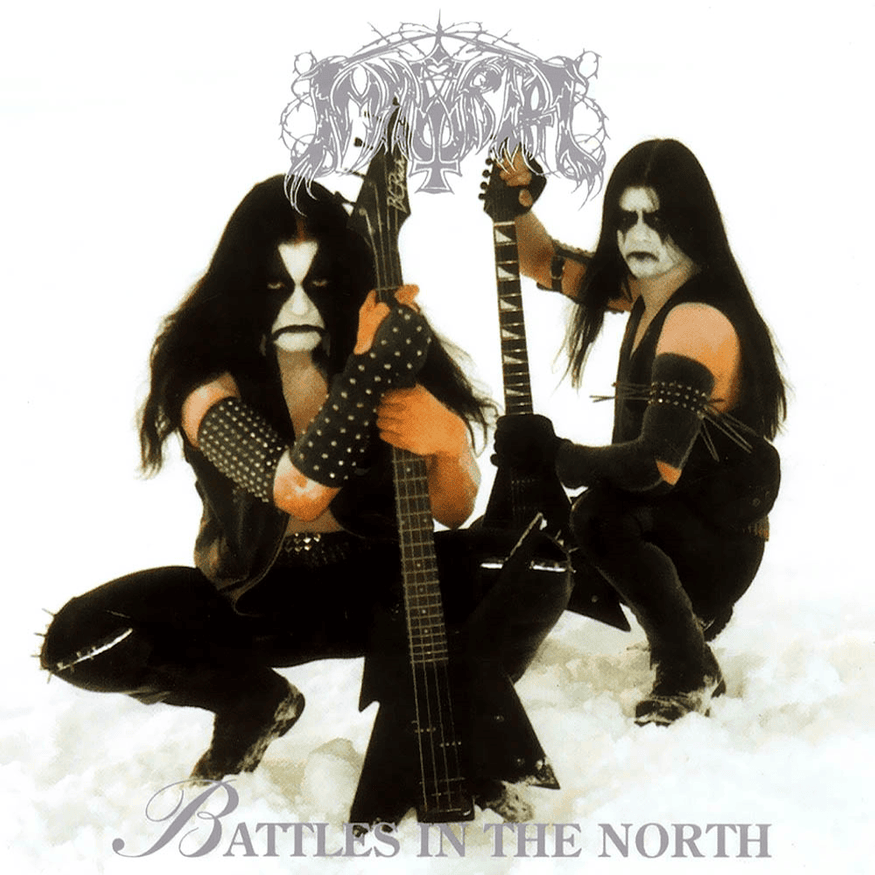
 View Artist