Song Meaning
The lyrics paint a stark picture of death as an unstoppable, impartial force. It arrives like a "desert storm," a relentless natural disaster that "sweeping the land" and "reaping the lands." This imagery immediately establishes a tone of dread and inevitability, suggesting that no one is safe from its reach. The narrator emphasizes that death "will call on us all," encompassing everyone, "the fallen, the shrewd," and "the holy, the cursed," highlighting its universal application.
The core tension lies in death's absolute lack of bias and its ultimate power. It "shows no sympathy" and "accepts no refusal," presenting a chilling contrast to human desires for mercy or defiance. The repeated phrase "one by one" underscores the systematic and personal nature of this process, as death "will swallow our souls" and "own our souls." This gradual, individual consumption amplifies the sense of helplessness against an overwhelming entity.
The most striking aspect of the craft is the personification of death as an active, almost predatory agent. It "inhale[s] the damned and rip[s] out their souls," "gather[s] the blessed," and "devour[s] us all." The lyrics also employ powerful, contrasting epithets for death, calling it an "assassin of time" and an "enforcer of fate." This active, multifaceted portrayal makes death feel less like an abstract concept and more like a tangible, terrifying presence.
Ultimately, the effectiveness of these lyrics stems from their unflinching depiction of mortality's finality. The writing avoids sentimentality, instead focusing on the raw, unyielding nature of death. The concluding lines, "There is no escape, from the silence that waits," leave the listener with a profound sense of existential dread, a direct consequence of the powerful, unadorned language used throughout.
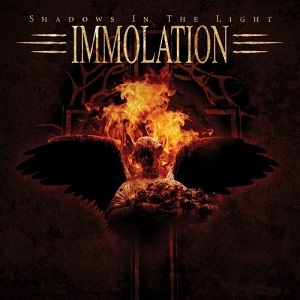
 View Artist