Song Meaning
Imelda May's "Proud and Humble" isn't just a gospel-infused track; it's a raw, vulnerable conversation with a higher power, dissecting the inherent human struggle between ego and grace. The song's core meaning revolves around accepting one's imperfections while still acknowledging personal growth and resilience. It’s a tightrope walk, balancing self-awareness with self-acceptance. May isn't asking for forgiveness as much as seeking understanding, laying bare her actions – "Sometimes I did good, sometimes I done wrong" – while emphasizing the effort put forth, the constant striving to improve within the limitations of her human form. This honesty resonates deeply, offering a refreshing take on faith that acknowledges the messiness of lived experience.
The recurring chorus, "proud and humble, humble and proud," serves as the song's central thesis. It's a paradox, a recognition that pride and humility aren't mutually exclusive but rather two sides of the same coin. May seems to suggest that genuine humility stems not from self-deprecation, but from an honest assessment of one's strengths and weaknesses. The line, "I'm proud that I got on with this given life," is particularly striking, highlighting the quiet heroism of simply navigating existence, embracing its challenges, and making the most of what one has been given. There's an underlying current of gratitude, a thankfulness directed towards a divine entity, yet it's intertwined with a fierce sense of self-respect.
Ultimately, "Proud and Humble" is an exploration of faith that feels deeply personal and universally relatable. It moves beyond simple platitudes, tackling the complexities of self-perception, divine judgment, and the ongoing journey of self-improvement. The song's meaning lies in its unflinching honesty, its willingness to acknowledge both the light and shadow within the human spirit, and its celebration of the messy, imperfect, yet ultimately beautiful process of living a life of faith and self-discovery.
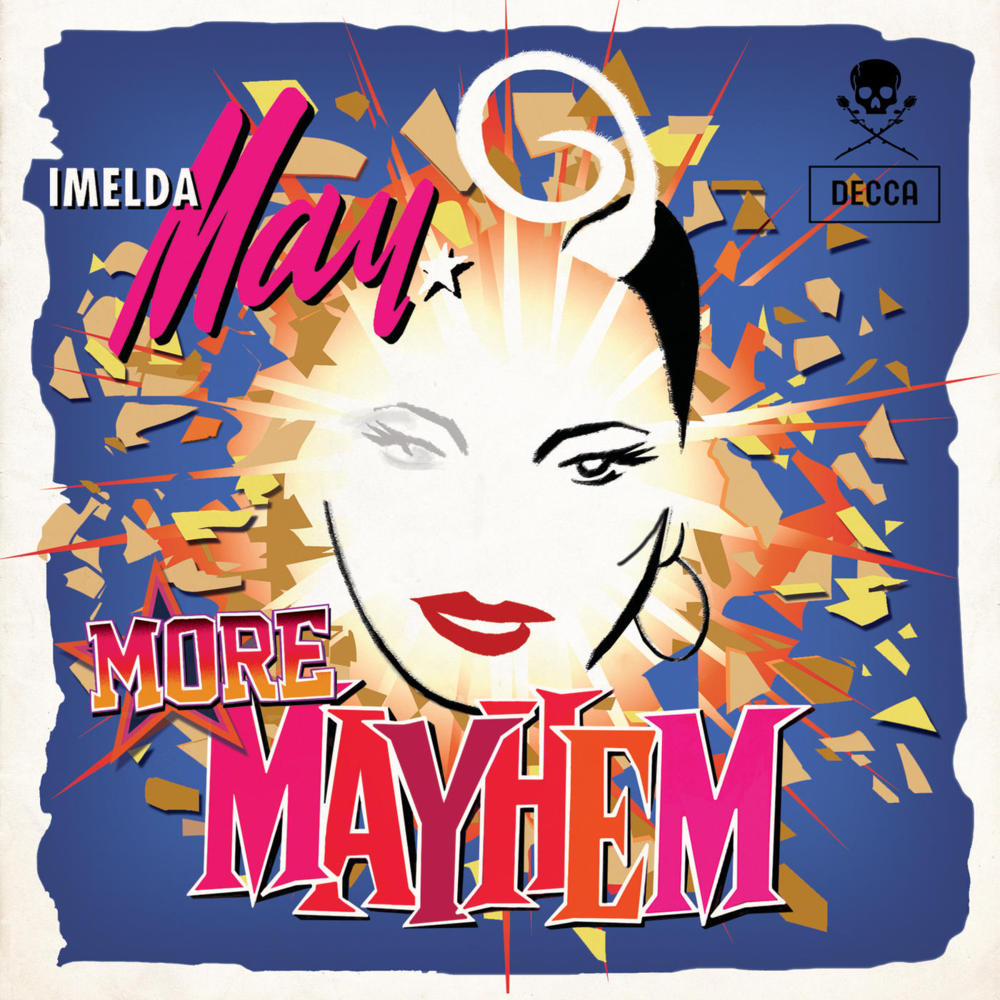
 View Artist