Song Meaning
The lyrics paint a vivid picture of a life spent meticulously winding a thread, a daily, nightly ritual that has accumulated into a thick ball of years. This winding is tied to a specific moment, a single glance, suggesting that a singular event or memory has become the central focus around which existence is organized. The narrator is caught in this repetitive motion, the sheer density of the accumulated 'yarn' implying a long, perhaps overwhelming, passage of time.
The central tension arises from the question of sufficiency and the nature of reality. The narrator wonders, "When will I run out of yarn?" and ponders if the pivotal moment, the one that initiated this winding, even truly existed or if it was merely an illusion. This doubt introduces a profound sense of uncertainty about the foundation of their life's work and the memories that fuel it, blurring the line between lived experience and imagined past.
The craft here is in the extended metaphor of the yarn ball. The repetition of "tinu nakti un tinu dienu" (I wind night and I wind day) emphasizes the relentless, consuming nature of this process. The phrase "gadiem pierasta tinuma krustā" (in the accustomed cross of winding for years) highlights the ingrained, almost involuntary, nature of the narrator's actions, suggesting they are now trapped in a pattern, entangled in "life's little weavings" that are both "un-happened and un-felt."
This lyrical construction is effective because it externalizes an internal state of being. The tangible image of the yarn ball makes the abstract concept of time and memory accumulation concrete and almost suffocating. The narrator's passive movement, hands just 'moving' in a familiar pattern, conveys a sense of being swept along by their own past, making the emotional weight of a life lived in obsessive recollection palpable.
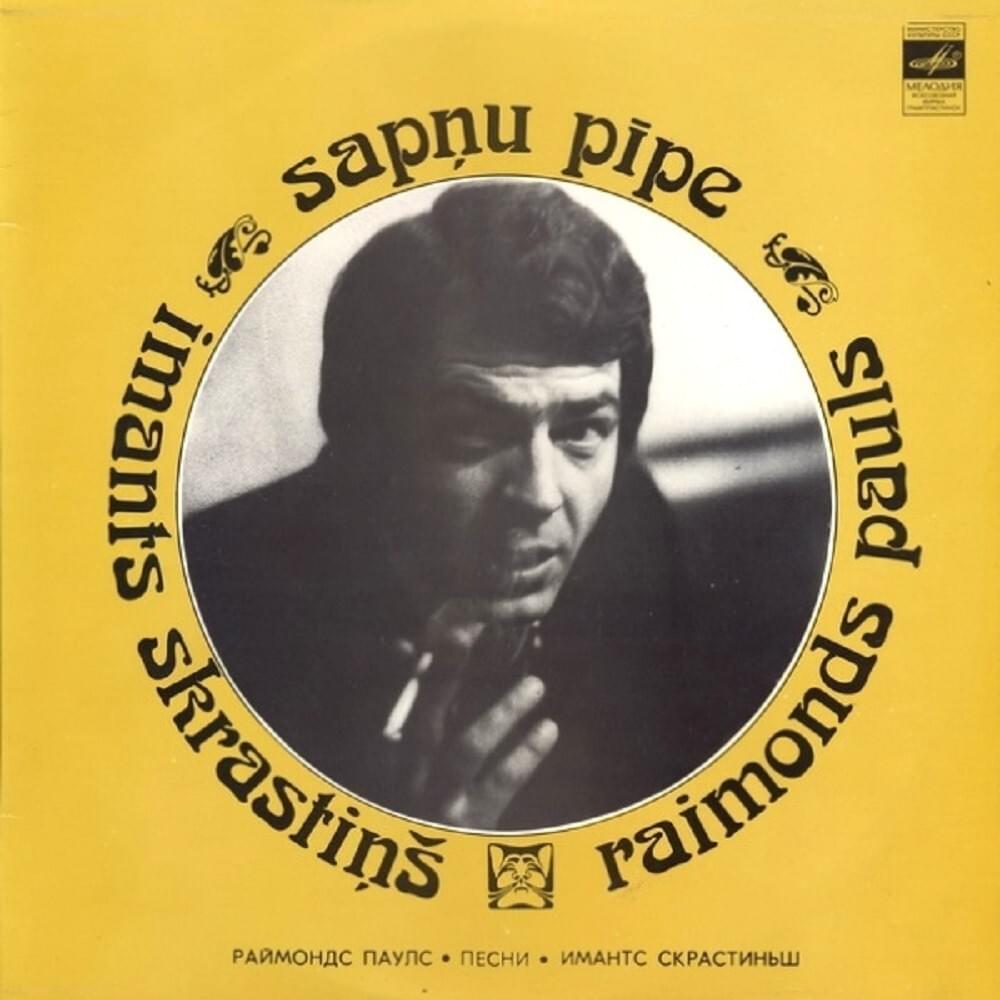
 View Artist