Song Meaning
Imani Coppola's "One Of These Days" isn't a simple promise of future joy; it's a sardonic anthem for the perpetually discontent. The song meaning resides in that tension between the aspirational chorus and the intervening verses, which drip with a world-weary cynicism that borders on nihilism. Coppola isn't just waiting for happiness; she's actively battling the ennui that threatens to consume her. The repeated mantra, "One of these days, I'm gonna be happy," feels less like a genuine belief and more like a coping mechanism, a fragile shield against the crushing weight of the present. The image of "piss[ing] all over myself laughing" is jarring, even grotesque, suggesting a catharsis so intense it borders on the hysterical. It's not gentle amusement; it's a primal, almost violent release.
The brilliance of "One Of These Days" lies in its unflinching portrayal of the struggle to maintain hope in the face of overwhelming negativity. The verses are a litany of complaints: boredom, frustration, and a general disdain for everything and everyone ("This shit sucks," "To hell with me / To hell with you / To hell with... hell"). This isn't mere teenage angst; it's a mature, albeit jaded, perspective on the absurdity of existence. The abrupt shifts in tone, from the almost childlike repetition of "Happy, happy" to the snarling pronouncements of disgust, create a disorienting effect, mirroring the inner turmoil of someone grappling with existential despair.
Ultimately, Imani Coppola presents a raw and honest depiction of the human condition. "One Of These Days" refuses to offer easy answers or saccharine platitudes. Instead, it acknowledges the messy, contradictory nature of emotions, the constant push and pull between hope and despair. It's a song for anyone who has ever felt trapped in a cycle of negativity, a reminder that even in the darkest moments, the possibility of future happiness, however improbable, remains a flicker of light in the distance. The song's power lies in its relatability; it doesn't preach, it simply observes, and in that observation, it offers a strange kind of solace.
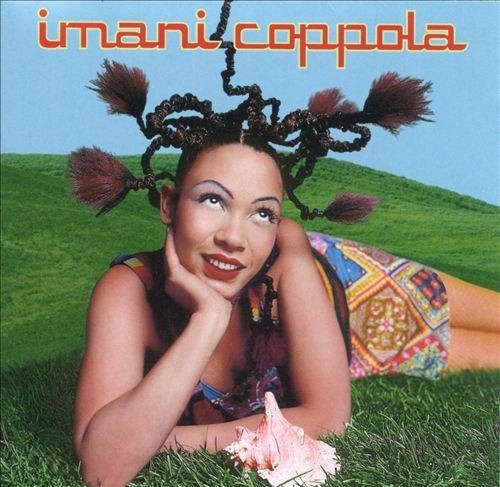
 View Artist