Song Meaning
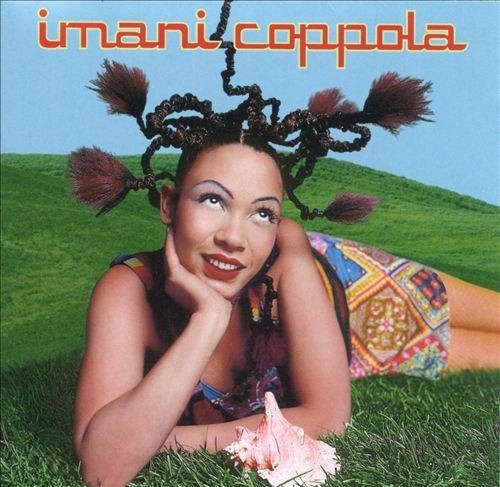
Imani Coppola’s "My Day At The Ocean" isn't a simple beachside idyll; it's a sonic exploration of identity, anxiety, and the disquieting feeling of being known, or perhaps, *seen*. The opening lines promise a tranquil scene, a day dedicated to simple pleasures like collecting shells and fishing. But this facade of serenity quickly crumbles as the seemingly innocent act of listening to a shell transforms into a deeply unsettling experience. The shell whispers her name, "Imani," a moment that triggers not wonder, but palpable fear. This is the core of the song's meaning: the terror of external validation morphing into invasive exposure. The repetition of "It had no right to know my name" underscores a profound desire for privacy and control over her own narrative. It's the fear of being categorized, labeled, or understood by an outside force, a primal scream against the loss of self-determination.
The lyrics then delve into an internal struggle, with Coppola questioning, "Do you feel lost, Imani?" This isn't just a question posed by an external entity; it's an internal dialogue, a confrontation with her own sense of self. The ocean, initially presented as a source of recreation, becomes a violent force: "The waves rough me up inside / The waves kill me every time." This suggests a turbulent inner world, where emotions and anxieties crash against her psyche, leaving her feeling battered and vulnerable. Yet, she admits, "I like the waves," hinting at a complex relationship with her own internal chaos. Perhaps she finds a strange comfort or even a perverse pleasure in the emotional intensity, despite its destructive potential. This duality is key to understanding the song's layered meaning.
As the song progresses, the atmosphere shifts from unsettling to downright menacing. The repeated phrase "Ocean, we love Imani" takes on a sinister tone, amplified by the subsequent lines: "No not again / Let me out of here / I can't take it anymore." The initial promise of love and acceptance warps into a claustrophobic trap. The concluding lines, "Get her / Let's get that bitch, let's get her," shatter any remaining illusion of safety, revealing a hostile and predatory force. This could be interpreted as the external pressures of fame, the judgmental gaze of society, or even her own self-critical inner voice turning against her. "My Day At The Ocean" ultimately becomes a chilling exploration of the anxieties surrounding identity, the struggle for self-preservation, and the terrifying feeling of being hunted by something both within and without.
 View Artist