Song Meaning
This track captures the lingering ache of a past relationship, where the narrator is consumed by thoughts of a departed "she." He wonders if she's also lost, revisiting familiar places, a poignant image of shared history now walked alone. The dominant tone is one of wistful regret, a deep yearning for what was and a painful contemplation of its absence.
The central tension lies in the narrator's desperate questioning of "how much more" love or understanding was needed to preserve the relationship. The repeated phrase "우린 좀 더" (we a bit more) highlights this agonizing counterfactual thinking. He's caught in a loop, replaying moments and searching for the precise point where things went wrong, a universal feeling for anyone who's experienced a significant breakup.
The lyrical craft here is subtle but effective. The English phrases "She is always on my mind" and "She's been always on my mind" bookend the verses, grounding the emotional core in a direct, almost conversational confession. This contrasts with the more poetic Korean questions that follow, creating a blend of raw feeling and introspective analysis. The bridge offers a flicker of self-consolation, suggesting that the love he still feels prevents him from succumbing to complete despair, though it doesn't erase the pain of separation.
Ultimately, the song resonates because it articulates the specific, gnawing question that follows loss: what if? It taps into that human tendency to analyze and dissect, seeking answers in the past to explain the present emptiness. The simple, repeated question "우린 어디에" (where are we) becomes a powerful, melancholic refrain, encapsulating the disorientation and sorrow of being left adrift after a shared journey ends.
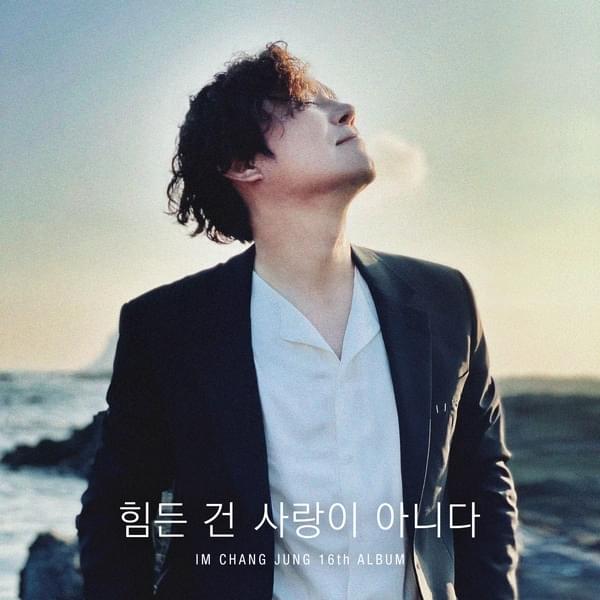
 View Artist