Song Meaning
The narrator, a butcher who makes leather, directly addresses someone whose skin is lacking, specifically mentioning a deficit of hair. There's a chilling contrast between the narrator's profession, which involves processing animal hides, and a disturbing contemplation of using the listener's skin. This initial statement sets a tone of predatory observation, where the listener's perceived inadequacy is framed through the lens of the narrator's trade.
The core tension arises from the narrator's assertion of having "sentimientos" (feelings) while simultaneously describing brutal acts. They claim to seek "normal skin" and a "good piece," which sounds rational in a butcher's context but becomes sinister when applied to a person. The repeated phrase "yo fabrico cuero" (I make leather) acts as a grim mantra, grounding the narrator's identity in their violent craft, even as they acknowledge a flicker of internal conflict.
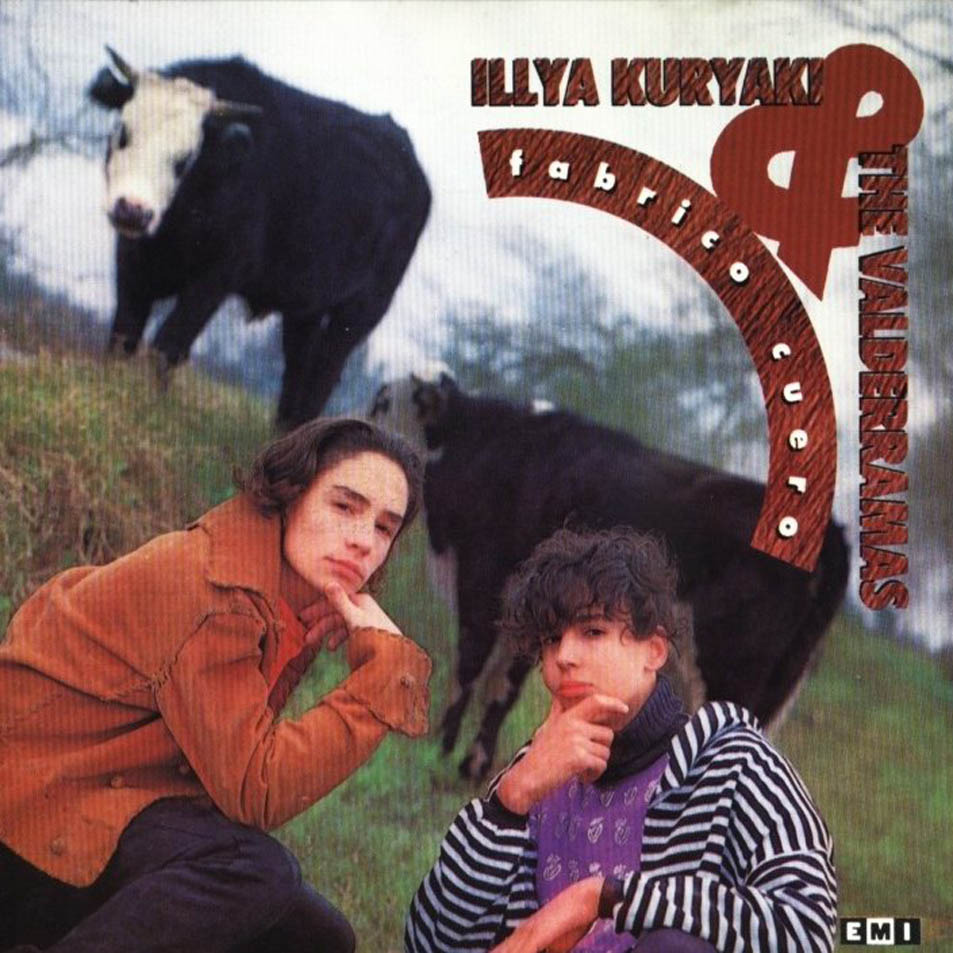
A particularly striking image is the advice to throw someone who "takes away your sense of humor" "without mercy against a flowerpot." This violent directive, repeated twice, juxtaposes the narrator's supposed feelings with a callous disregard for others. The mention of "vacas malas" (bad cows) eating grass while their calves are killed for the "best leather" highlights a perverse justification for cruelty, suggesting that even the innocent are sacrificed for the sake of the product.
Ultimately, the lyrics create an unsettling effect through the narrator's detached yet possessive perspective. The offers of a better life, tied to specific, almost vulgar, culinary preferences like "molleja" (gizzard) and adherence to the narrator's "barrio" (neighborhood), are laced with implicit threats. The repeated command to "comportate" (behave) and the violent imagery suggest a power dynamic where compliance is enforced through brutal means, making the narrator's profession a metaphor for a dangerous, controlling force.
 View Artist