Song Meaning
The lyrics paint a picture of longing and regret, centered around a cherished "flower." The narrator eagerly awaits the blooming of this "ruby flower," suggesting a deep, almost obsessive anticipation for something beautiful and perhaps rare. This initial hope, however, is quickly shadowed by a profound sense of past mistakes. The repetition of "Szerettem, szerettem / Bolondul szerettem" (I loved, I loved / Madly I loved) reveals an intense, perhaps reckless, affection that the narrator now regrets. The phrase "Késő most már bánnom" (It's too late to regret now) underscores a feeling of irreversible consequence.
The central tension arises from the contrast between the hopeful anticipation of the flower and the heavy burden of past actions. The narrator describes walking "in the garden of my love / so carefully" with the intention "never to hurt" their beloved. This carefulness, however, seems to have been insufficient, leading to the current state of regret. The later verses shift from anticipation to a troubled present, where the narrator "sleeps among worries" and has "restless dreams." This suggests the past actions have directly impacted their current peace, making the awaited blooming feel less like pure joy and more like a fragile hope amidst turmoil.
The recurring "Lálálálálálá" sections, while seemingly simple, serve as a poignant counterpoint to the lyrical content. They could represent a forced cheerfulness, a desperate attempt to push away the painful memories, or perhaps a childlike lament. This melodic refrain acts as an emotional release valve, a wordless expression of feelings too complex or too painful to articulate directly. It creates a disarming juxtaposition, where a simple, almost carefree melody underscores deep-seated sorrow and unresolved issues, making the emotional weight of the verses even more palpable.
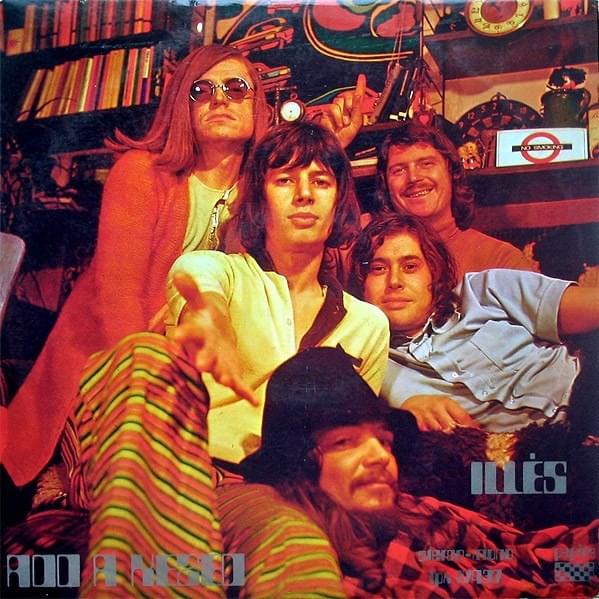
 View Artist