Song Meaning
The lyrics paint a stark, almost defiant picture of a garbage heap, personifying it as a thriving entity. It's presented not as a blight, but as a happy home for trash cans, a place where cleanliness is the enemy. This initial image sets a tone of dark humor and inversion, suggesting a world where decay and refuse are celebrated.
The central tension arises from the heap's relentless growth and its active embrace of its own nature. The lyrics state it "doesn't feel ashamed" and "keeps growing, spreading out." This expansion is framed as a "public necessity" of "filth production," implying a deliberate, almost industrial process of generating waste. The heap thrives under the sun, even as it poisons the air, highlighting a perverse symbiosis where pollution is the norm.
The most striking aspect is the consistent, almost ritualistic repetition of "ahahah" after mentioning the trash cans. This laughter, juxtaposed with the imagery of decay and pollution, creates a disquieting effect. It transforms the scene from a simple description of refuse into a commentary on a system that actively cultivates and defends its own waste, presenting its methods as a "principle of dirtiness."
Ultimately, the lyrics' effectiveness lies in their unflinching, almost joyful depiction of refuse. By personifying the garbage heap and its inhabitants, and framing their existence as a deliberate, celebrated act, the writing forces a confrontation with the idea of waste not as an accident, but as a fundamental, growing, and even 'happy' aspect of a world. The final image of the "fading flower" hinting at the end of a "rotting world" leaves a lingering sense of inevitable decay, rooted in the heap's very existence.
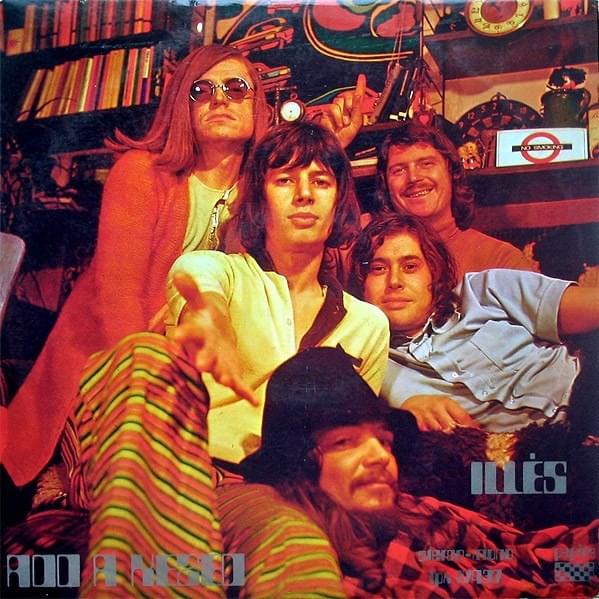
 View Artist