Song Meaning
The lyrics paint a vivid, cyclical portrait of love's recurring nature, emphasizing its intoxicating beginnings and inevitable complications. The opening lines, "Immer wieder diese Liebe / Immer wieder erster Kuss," immediately establish a sense of déjà vu, a familiar yet potent rush that makes one believe "dass sie bleiben muss" – that this time, it's permanent. This initial optimism is contrasted with the pangs of "Sehnsucht" and the almost involuntary, "dumme Verse" written in its throes, suggesting love's power to reduce even the most rational mind to poetic silliness.
The central tension lies in the gap between the desired state of "abgeklärt und weise" (calm and wise) and the reality of being overwhelmed by emotion. The narrator admits, "Aber Weise ist man leider nicht" (But wise one unfortunately is not), highlighting the struggle to articulate feelings coherently when faced with love's intensity. This internal conflict is amplified by the external experiences described: the allure of "dunkle Straßen" (dark streets) and "Licht und Glanz" (light and shine), the thrill of "Heimlichkeit" (secrecy) and the "erster Tanz" (first dance), all giving way to "heisse Tränen" (hot tears) and the fear of the "erster Streit" (first argument).
The most striking craft element is the relentless repetition of "Immer wieder" (again and again). This anaphora creates a powerful sense of inevitability, framing love not as a singular event but as a recurring cycle of intense highs and painful lows. The juxtaposition of "Hungern" (hunger, implying deprivation or intense desire) with "Noch mehr Zärtlichkeit" (even more tenderness) further underscores this pattern, suggesting that even after hardship, the desire for connection and affection resurfaces, perpetuating the cycle. The lyrics capture the universal, often frustrating, human tendency to fall into the same patterns of passionate engagement and emotional vulnerability, despite knowing the potential for pain.
Ultimately, these lyrics resonate because they articulate the bittersweet, almost involuntary rhythm of romantic pursuit. The writing captures that specific feeling of being swept away, of believing each new instance of love is different, only to find oneself grappling with familiar emotions and challenges. The honest admission of not being wise, of struggling to speak clearly, and the cyclical structure driven by "Immer wieder" make the experience feel both deeply personal and universally understood, reflecting the enduring, often bewildering, power of love.
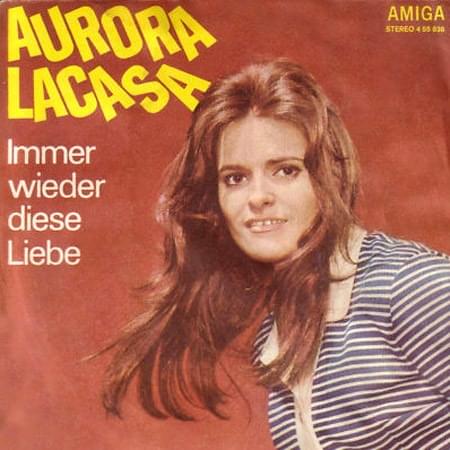
 View Artist