Song Meaning
The lyrics open with a striking image: a request for a "splendid room" and for Michelangelo to paint a fresco on its ceiling. This isn't just a wish for luxury; it's a profound desire to inhabit and create one's own personal heaven, a canvas for a new existence. The speaker declares an imminent departure with "new friends," rowing with "joy," signaling a clear break and the "start of a new act, the start of a new me."
Beneath this aspirational surface lies a quiet acknowledgment of past struggles. The speaker notes that "making connections is quite heavy work," a burden now understood but accepted with a sense of relief. This tension between past weight and present liberation is central, as the narrator resolves, "I can't remain a critic forever," choosing instead to "wash with clear water and wear the clothes of an artist." It's a powerful shift from passive judgment to active, intentional creation of one's life.
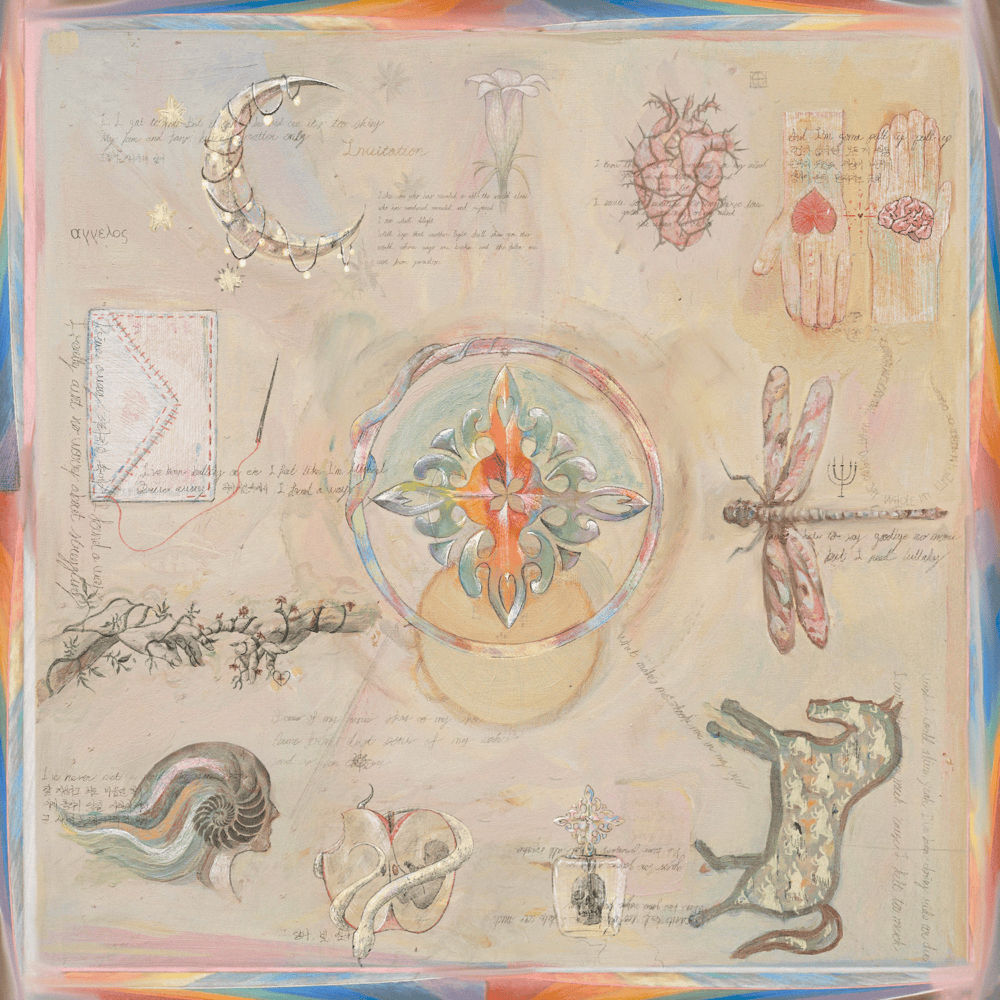
One of the most compelling craft elements appears in the imagery of the "small apple" and the "knife made by melting pity." What's left from the past isn't discarded; instead, the speaker takes "pity for the past I left behind" and forges it into a tool. This isn't about forgetting, but about transforming regret or sorrow into something sharp and useful, a means to cut ties or carve out a new path. It suggests a deliberate, almost alchemical process of turning emotional residue into agency.
Ultimately, these lyrics resonate because they articulate a universal yearning for self-reinvention, but with a unique, artistic flair. By blending the grand, almost mythical scale of Michelangelo's frescoes with deeply personal reflections on pain, pity, and the deliberate choice to become an "artist" of one's own narrative, the writing effectively conveys the profound courage and intention required to truly begin anew. The repeated call to "spread a large sail and paint / Our own story" leaves the listener with a vivid sense of empowered self-authorship.
 View Artist