Song Meaning
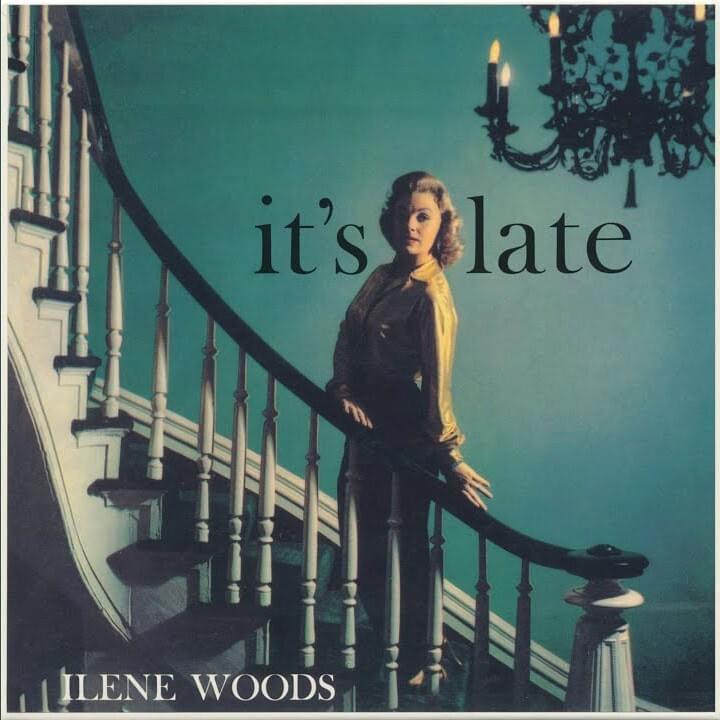
Ilene Woods' "It's a Blue World" paints heartbreak in shades of cerulean and indigo, transforming the standard love song into a poignant exploration of loss. The color blue, long associated with sadness, becomes a pervasive atmosphere, a suffocating blanket that smothers every aspect of the singer's existence after the departure of a loved one. The opening lines establish the departed lover as a celestial force – light, stars, moon, and sun – a being whose absence plunges the singer into an unending night. This isn't just a breakup; it's the death of a personal universe.
The core of the song meaning lies in the repetition of the phrase "It's a blue world." This isn't just a statement of sadness; it's an acceptance of a new, diminished reality. The singer isn't simply experiencing sadness; she *inhabits* it. The lyrics further emphasize this totality: "The sea, the sky, my heart and I, we're all an indigo hue." It's a complete emotional and psychological saturation. There is no escape, no corner of her being untouched by this pervasive blue. The world itself, once a vibrant tapestry of experiences, has been reduced to a single, melancholic tone.
Woods’ delivery, presumably tinged with a wistful quality (though specific recordings would further illuminate this), elevates the simple lyrics beyond cliché. The "blue world" isn't just a feeling; it's a place, a state of being. The subtle shift from "blue world" to "blue, blue world" at the song's close reinforces the deepening of the despair. It's not just blue; it's *more* blue, an intensifying of the sorrow that suggests a future stretching out, endlessly tinged with this melancholic hue. The song's power resides in its ability to transform a common emotion into a palpable, almost tangible, environment of grief.
 View Artist