Song Meaning
The lyrics paint a picture of deep hurt and lingering resentment, directed at someone who now asks about the narrator's well-being. The central question, "Što me pitaš šta mi je?" (Why do you ask what's wrong with me?), immediately establishes a tone of bitter irony. It suggests the question is too little, too late, especially when contrasted with the past: "Kada sam te volela / I za ljubav molila?" (When I loved you / And begged for love?). This juxtaposition highlights a profound sense of abandonment and betrayal.
The core emotional conflict stems from a past relationship where the narrator gave everything, only to be left devastated. The repeated lines in the pre-chorus, "Srce si mi uzeo / Dušu mi razorio" (You took my heart / You destroyed my soul), are stark and direct accusations. This isn't a subtle expression of sadness; it's a raw declaration of the damage inflicted. The repetition amplifies the feeling of being irrevocably broken by the other person's actions.
The most striking element is the relentless repetition of the pre-chorus and chorus, "Hej, eto šta si učinio" (Hey, that's what you did). This refrain acts as a blunt, almost accusatory summary of the entire situation. It’s not an explanation, but a stark statement of fact, emphasizing the irreversible consequences of the other person's past behavior. The simplicity of the language makes the emotional weight even heavier, suggesting the damage is so profound it defies complex articulation.
Ultimately, these lyrics resonate because they capture that specific, agonizing moment when someone who caused immense pain reappears, seemingly oblivious or indifferent to the wreckage they left behind. The narrator's response isn't a plea for reconciliation, but a bitter acknowledgment of the past, delivered with a weary finality. The writing effectively uses direct address and stark, repeated phrases to convey a sense of profound, unhealed emotional injury.
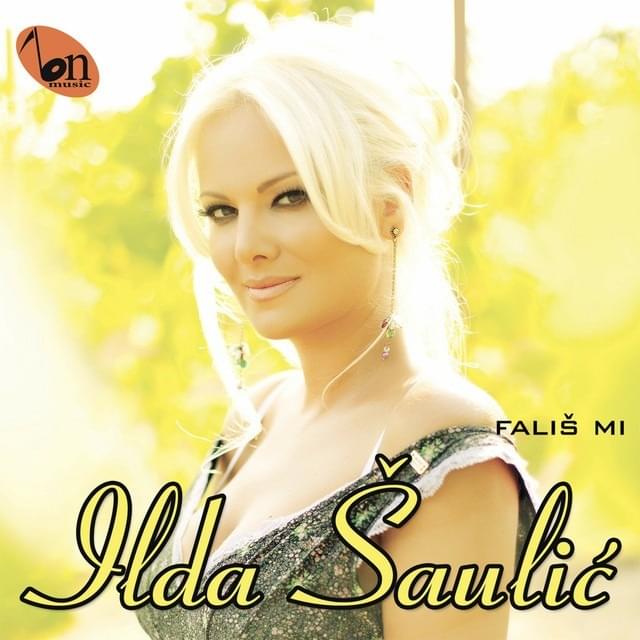
 View Artist