Song Meaning
The lyrics paint a stark picture of post-breakup paralysis, where the narrator is trapped in the shadow of a past love. The opening questions, "Da li me se setiš kada zaspiš / Na njenoj kosi, preko našeg jastuka?" immediately establish a tone of lingering doubt and comparison. It’s not just about missing the person, but about the painful awareness that they might have moved on, perhaps even in spaces once shared. This sets up the central conflict: the narrator's inability to escape the past while the other person seems to have integrated the memory, or perhaps the narrator’s perception of them, into their new life.
The core tension lies in the narrator's enduring devotion versus the perceived lack of equal depth from the ex-partner. Lines like "Još si meni sve / Tu si zauvek, u grudima" reveal a persistent, almost spiritual connection. However, this is immediately undercut by "Al' nisi kao ja voleo do dna / To je istina," suggesting a fundamental imbalance in the intensity of their past love. This disparity fuels the narrator's current suffering, as they feel they loved more completely and are now left with the greater burden of that love's absence.
The most striking aspect of the writing is the relentless framing of new relationships as failures in comparison to the lost one. The refrain "Posle nas svi su mi novi bivši, svi su pogrešni / Od tebe loše leče me" is a powerful declaration of this. It’s not that the narrator is incapable of finding new partners, but that every subsequent person is measured against an impossible standard, rendering them inadequate. The phrase "Kad ti u svakom imaš me" implies the ex-partner is present in every new encounter for the narrator, a constant, haunting reminder that prevents healing.
This lyrical construction makes the song hit so hard because it articulates a specific, agonizing form of heartbreak: the inability to move forward because the past love has become the only benchmark for all future possibilities. The narrator isn't just sad; they are actively, painfully comparing and finding everyone else wanting. The repeated question, "Gde od tuge da potražim spas posle nas?" isn't just a plea for comfort, but a rhetorical acknowledgment of the inescapable nature of their grief, rooted in the unique intensity of what was lost.
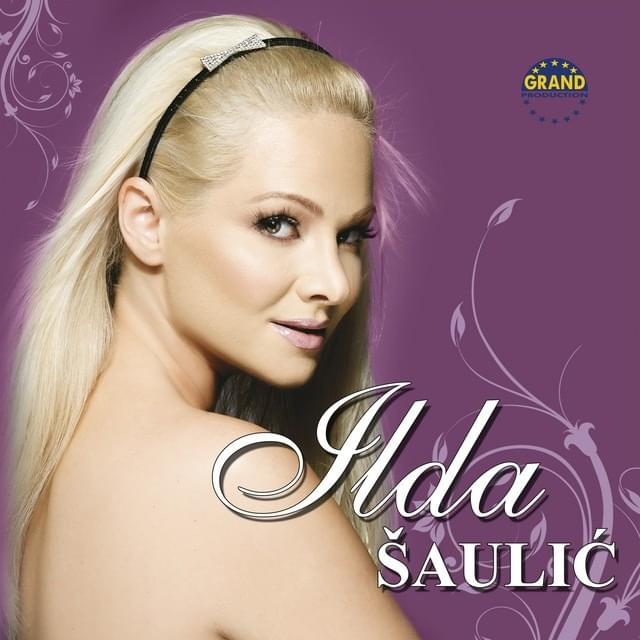
 View Artist