Song Meaning
The lyrics paint a vivid picture of childhood wonder, centered around a mysterious gardener. From the moment the narrator opens their eyes, they're drawn to this figure playing a golden violin, tossing smiles onto the windowsill. This initial scene is pure, unadulterated joy, a dreamlike state where the narrator flees everything to witness this magical performance. The repetition of "бежал, бежал, бежал" (ran, ran, ran) emphasizes an urgent, almost instinctual pull towards this source of delight.
The core tension emerges with the stark realization that the idyllic scene doesn't last. The narrator believed this carefree existence would continue indefinitely, watching "картины снов" (pictures of dreams) without a care. However, the abrupt shift to seeing the garden "опустел" (empty) shatters this illusion. Despite the garden's desolation, the gardener is still there, still playing, still tossing smiles. This creates a poignant contrast: the external world has changed, yet the performance, and the plea to remember, persists.
The recurring plea in the chorus, "Садовник, садовник / Играй, играй, играй / Но музыку детства / Смотри, не забывай" (Gardener, gardener / Play, play, play / But the music of childhood / See, don't forget), is the song's most potent device. It’s not just a request for the music to continue, but a desperate injunction not to forget the feeling it represents. The golden violin and the tossed smiles become potent symbols of this lost innocence, a melody the narrator fears will fade with time and changing circumstances.
This lyrical structure effectively captures the bittersweet ache of nostalgia. The initial joy is amplified by the later loss, making the gardener's continued presence both a comfort and a painful reminder. The lyrics resonate because they articulate that universal feeling of trying to hold onto precious memories, even as the world around us inevitably transforms, leaving us to cling to the echoes of past happiness.
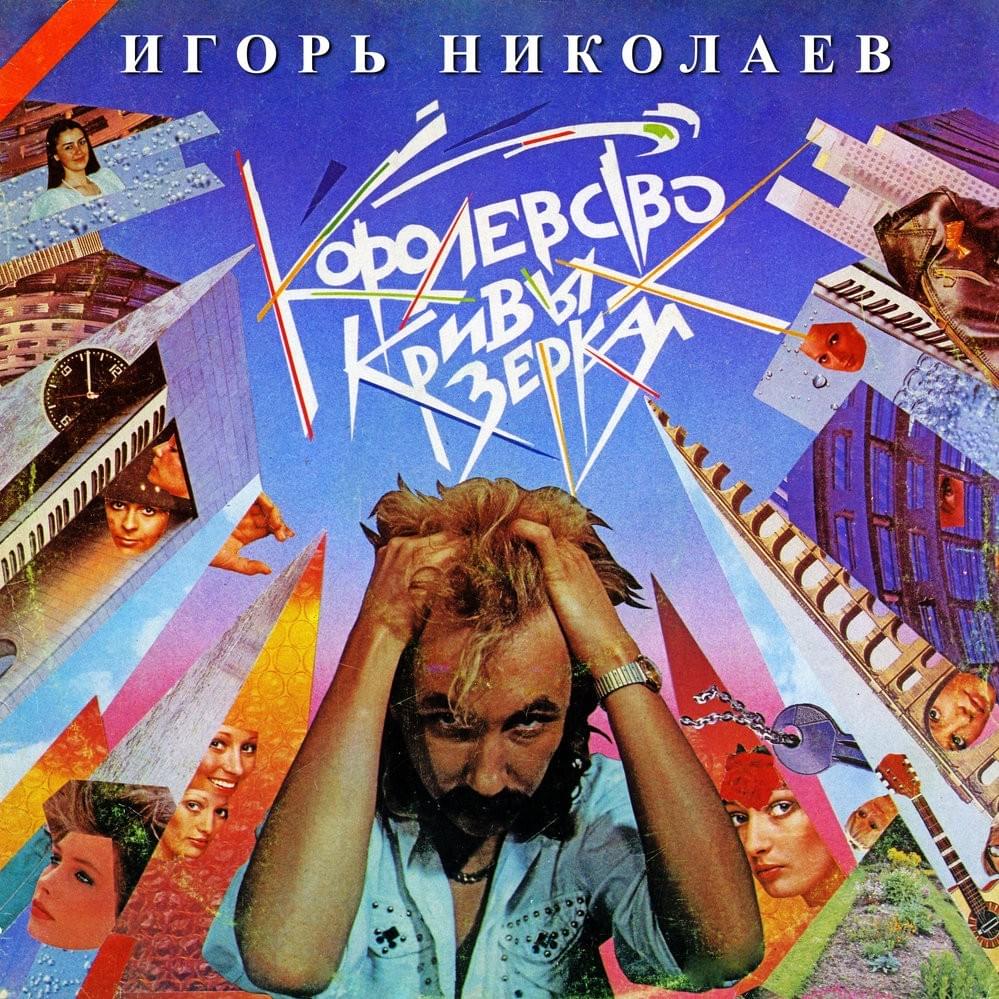
 View Artist